

Before I understood theology, I understood this: the love of Christ was not something I had to reach for. It was something I was already being held within. We do not learn the love of Christ by mastering it, but by receiving it.

The Bible: Walking in God’s Word (Jerusalem Declaration 2.2)
The Jerusalem Declaration offers a set of principles to guide us in our Christian walk, as outlined in the second sentence of Clause 2: “The Bible is to be translated, read, preached, taught and obeyed in its plain and canonical sense, respectful of the church’s historic and consensual reading.”

The Bible: Believing God’s Word Written (Jerusalem Declaration 2.1)
Clause 2 has two sentences. Taken together, they capture the twofold dynamic of the Bible, moving from God’s gracious self-revelation to our thankful response.

Miserable Offenders and the Mercy of God
In the 1662 Book of Common Prayer, we confess, “O Lord, have mercy on us, miserable offenders.” Those are deep, strong statements that reveal our condition and status.
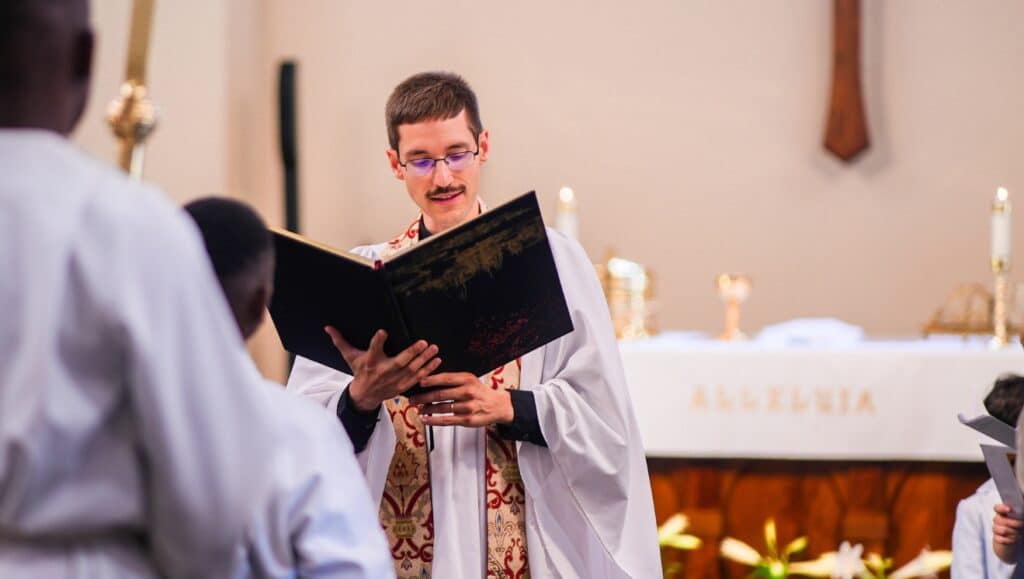
From Episcopal to Anglican: The Beauty of Biblical Faithfulness
Where the Episcopal Church had a rich legacy of historic buildings, the ACNA seemed to be building for the future. It had a missional energy, an ethos of going out and proclaiming the pure gospel to a needy world.
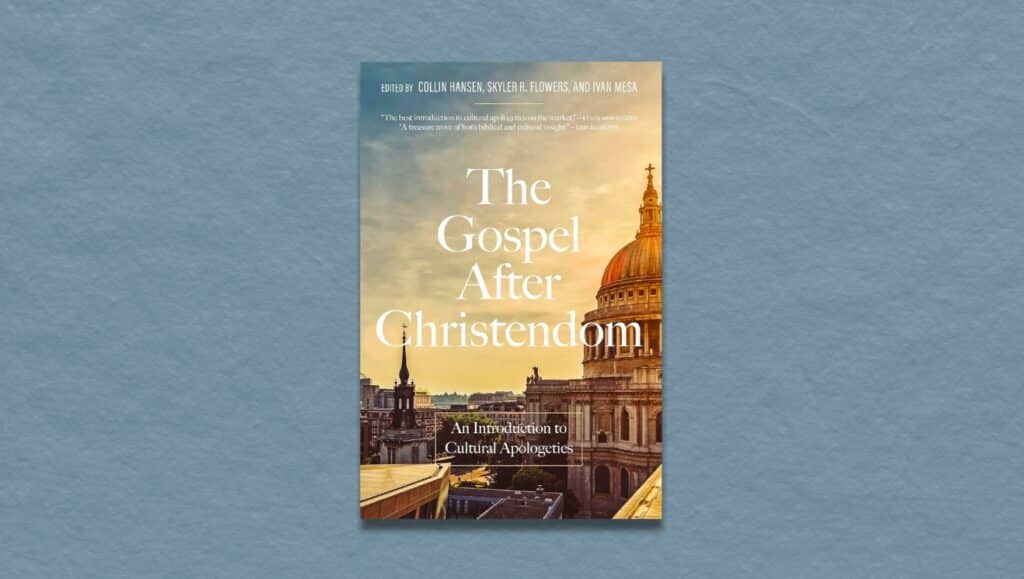
Book Review: The Gospel After Christendom
In The Gospel After Christendom, the writers, pastors, and scholars of The Gospel Coalition and the Keller Center for Cultural Apologetics have applied a similar understanding of cultural apologetics in a unified collection of essays designed to “define cultural apologetics, explain its biblical and historical grounding, and demonstrate how it is important for the church today.”
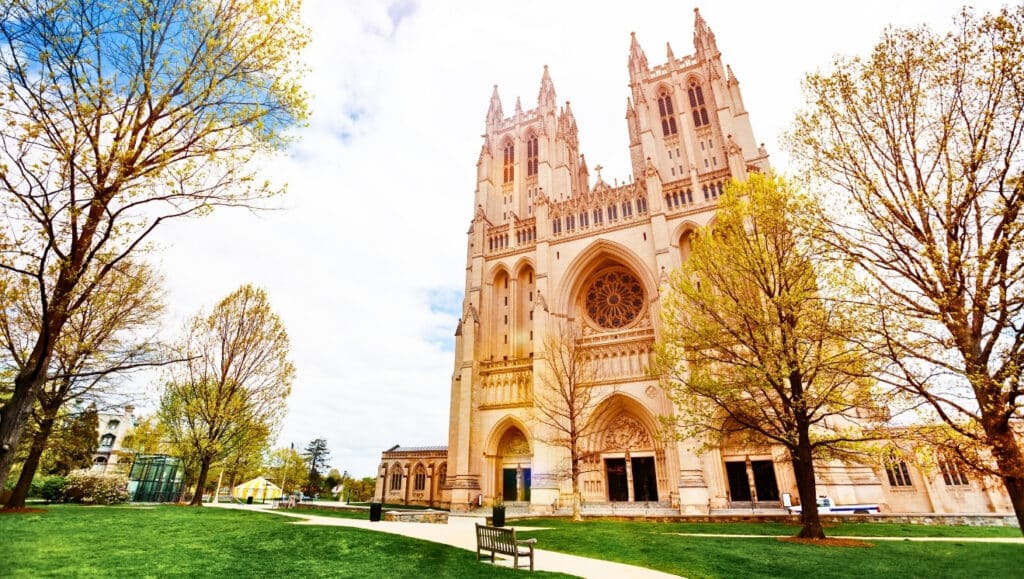
Anglican America: From the Founding to the Future
For more than 400 years, the Anglican tradition has played a central role in the development of the United States of America. The intellectual culture of recent decades has obscured this historical truth, both on account of revisionist historians who see America as a secular nation and also by the failure of Anglicans to tell…

An Anglican Appreciation for Aquinas
Thomas Aquinas was a Dominican friar, priest, philosopher, and above all, a theologian. He is best known for his massive work, the Summa Theologiae, which summarizes the main tenets of the Christian faith.
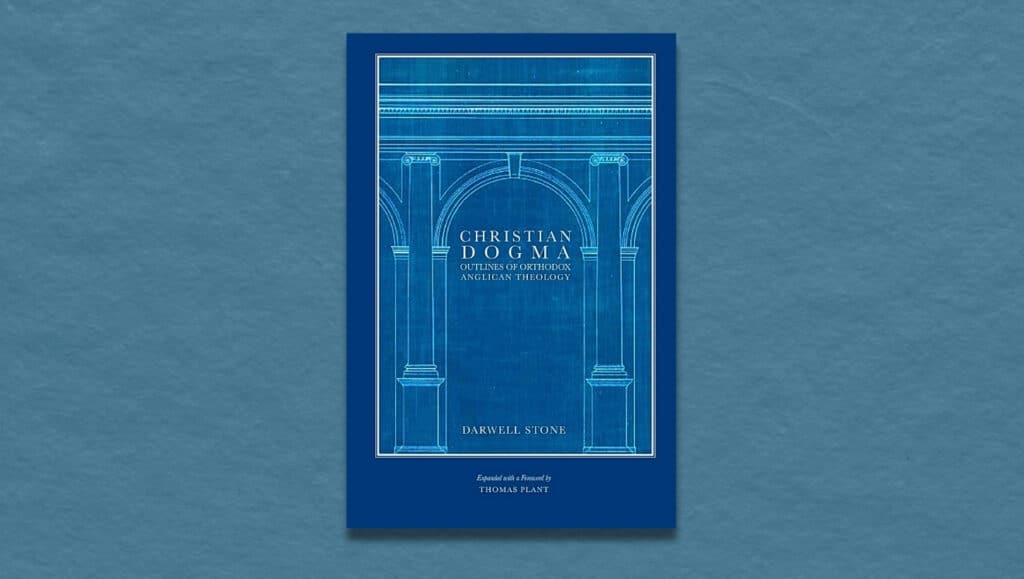
Book Review: Christian Dogma by Darwell Stone
Darwell Stone, Expanded by Thomas Plant. Christian Dogma: Outlines of Orthodox Anglican Theology. Anglican House, 2025. What Great Tradition? It is very common to hear Anglicans appeal to a solid body of doctrine that existed in the past. Christians have referred to it by various names: the ancient faith, the “little-c” catholic Faith, the Great…

Recovering the Power of the Arts
The church’s rich artistic heritage is worth reclaiming. In doing so, we can rethink the vital relationship between Christianity and the arts. Throughout the ages, Christianity has had a robust relationship with the arts.
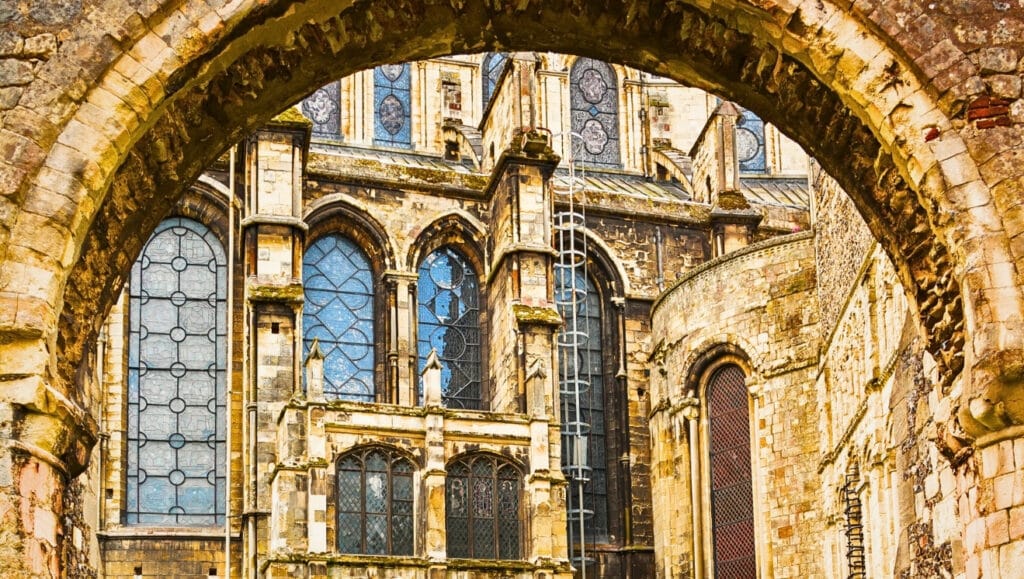
10 Liberating Truths from the 39 Articles
Sound doctrine sets us free. The Reformation needed to happen, not just because there was a debate to be won but because souls were in the balance. Bad doctrine leads to bad pastoring. Sometimes, we forget that Anglicans have a fantastic statement of faith in the Thirty-Nine Articles of Religion. The same exact brilliant men…

Confessing the Faith: Catholic Councils and Creeds (Jerusalem Declaration 3)
Editor’s Note: This is the seventh in a series of articles by Dr. Stephen Noll, titled “The Jerusalem Declaration: A Personal Commentary.” In this series, Dr. Noll draws on decades of experience in the GAFCON movement, especially his role as Secretary of the Statement group that drafted the Jerusalem Declaration and its accompanying Statement. Having heard the Gospel…