

Martin Luther and the Christian Life
Posted on February 15, 2025By Justin Clemente
Luther’s concern didn’t remain in the ivory tower of abstract theology. Indeed, in many ways, Luther’s aim was a robust recovery of the Christian life.
Luther’s concern didn’t remain in the ivory tower of abstract theology. Indeed, in many ways, Luther’s aim was a robust recovery of the Christian life.

The story of Paul’s conversion is a powerful testimony to the transformative power of God and the incredible truth that no one is beyond redemption.

This book is a much-needed compilation of thoughtful engagement with the Anglican tradition—from the broadest foundational theological questions to the particulars of its history.

The Anglican Formularies are the Thirty-Nine Articles, the Book of Common Prayer, and the Ordinal (the service for ordaining clergy). A strong case can be made that the Books of Homilies also serve this function. The Formularies provide both cohesiveness and clarity to the Church’s doctrine.

With more than fifteen hundred years of rich history, this ancient tradition still has the power to speak to our contemporary world with a faith that is relevant for a new generation.

The Anglican tradition traces its roots back to the time of the Roman Empire when a Christian church first came to exist in the British Isles.
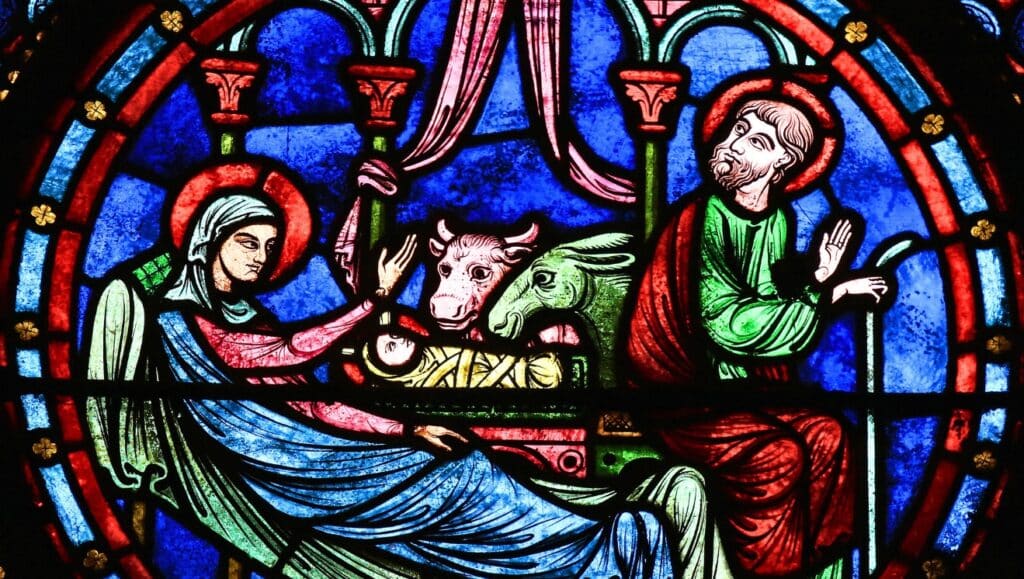
We expect the Christmas Collects to celebrate the birth of Jesus, and they do. But they also surprise us by repeatedly applying the birth of Christ to the life of the Christian believer. Because he is light, we can know light. Because he was born, we can be born again. Because he shared the life

“Good King Wenceslas” is a Christmas Carol that celebrates generosity, sacrifice, and the power of holy imitation.

Anglicanism has origins beyond just the English Church, including luminaries who have contributed through the Celtic traditions.

The General Thanksgiving is an extended prayer of thanks to God and one of the riches of our Anglican tradition.

Each year on November 30, Christians worldwide honor the life and legacy of a devoted disciple and father of the early Church, St. Andrew.

Published as The Abolition of Man, Lewis’s lectures offered a stark warning: Western civilization was abandoning its commitment to objective truth and moral value in favor of moral relativism.