

O Ruler of the Universe: A Reflection on Magna Et Mirabilia
The 2019 Book of Common Prayer, however, draws on nearly 400 years of Prayer Book history; the canticle Magna et Mirabilia offers a wonderful example.
The 2019 Book of Common Prayer, however, draws on nearly 400 years of Prayer Book history; the canticle Magna et Mirabilia offers a wonderful example.

The canticles are not liturgical garnish. They form part of the rhythm by which Scripture becomes prayer and prayer becomes praise.
The world God made is a world of rhythm and rhyme. Seasons change and come again before leaving us once more. There is a predictable stability in the constant diversity that God has made, something C.S. Lewis once brought out in his masterpiece The Screwtape Letters. As his fictional demon once put it, God has
Evening is when one of two things can happen to us as fallen children of Adam. We either thank God for the day’s victories or dread the onset of the night’s terror. We watch as the sun goes to its rest, mirroring us, or we fidget and search for ways to keep the lights on.

Augustinian monk-turned-Magisterial Reformer Martin Luther once called the Psalms a miniature Bible. It was remarked that a Christian could find his entire life experience on display in them. This has been found true throughout the ages, and it is one of the many reasons Archbishop Cranmer thought it fit that Christians should journey through the
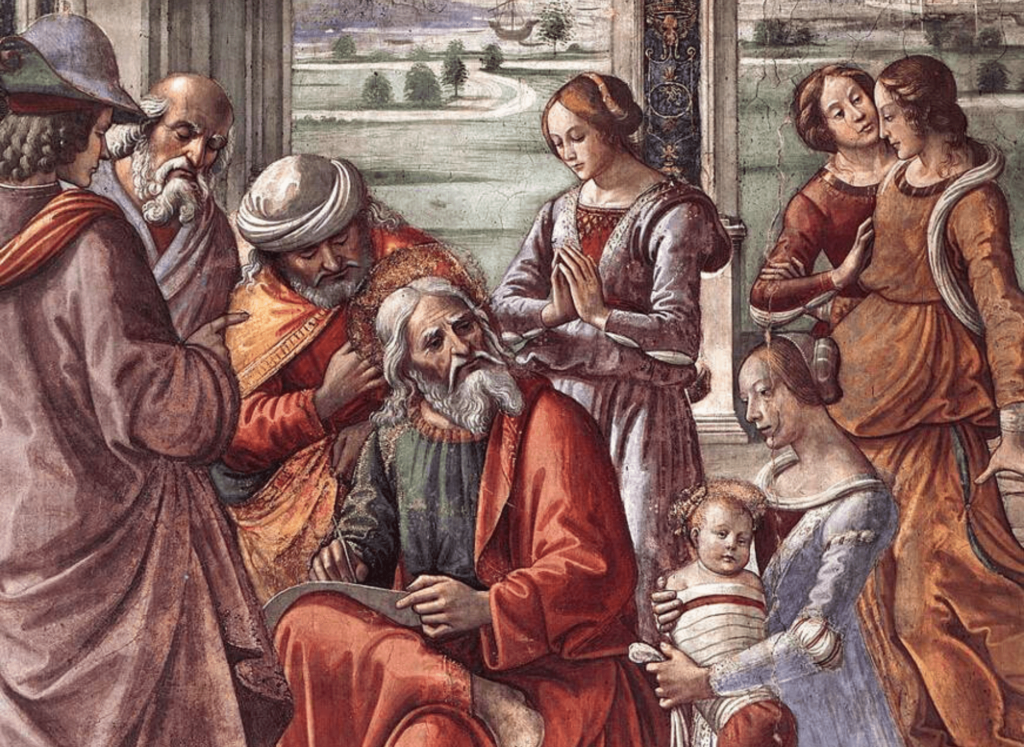
The Daily Office of the Anglican tradition is known for many things. It has elements of rhythmic consistency and lines of beautiful prose. Part of this extraordinary heritage is the use of canticles/songs. These are either said or chanted at different times in Morning and Evening Prayer; many of them come from the very words
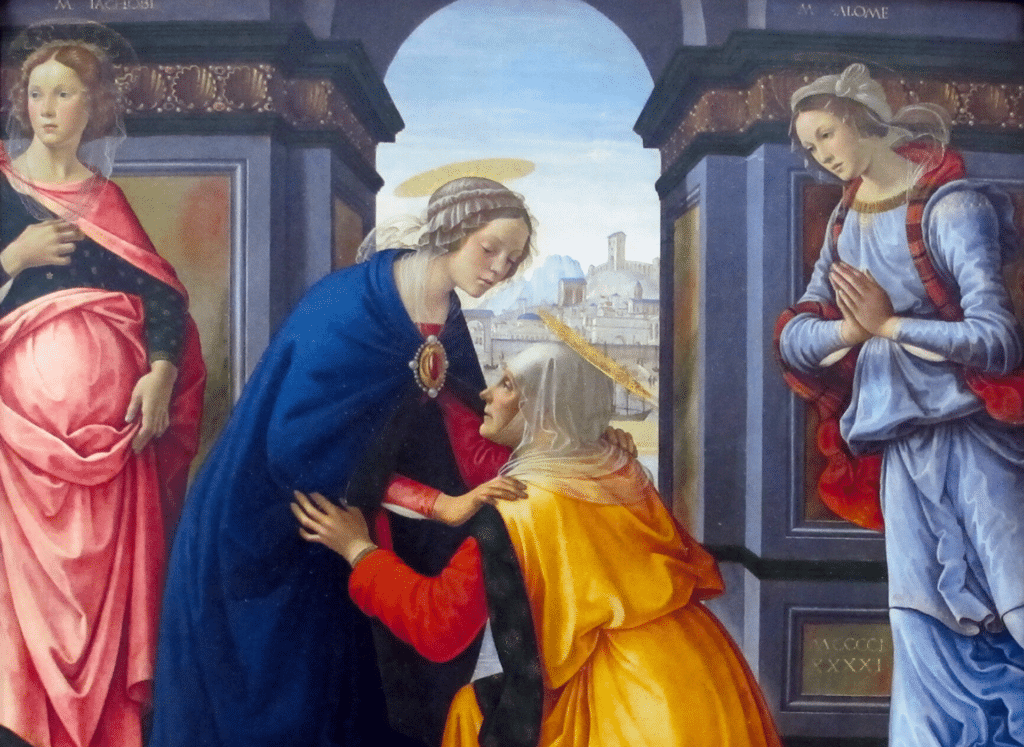
Our God is a God of music. He does not sit in his high and noble tower, eternally contemplating his own existence, as some philosophers have hypothesized. He is, rather, always engaged in the drama of his own glory, bursting into the human world with shards of joy that inspire souls to sing out in
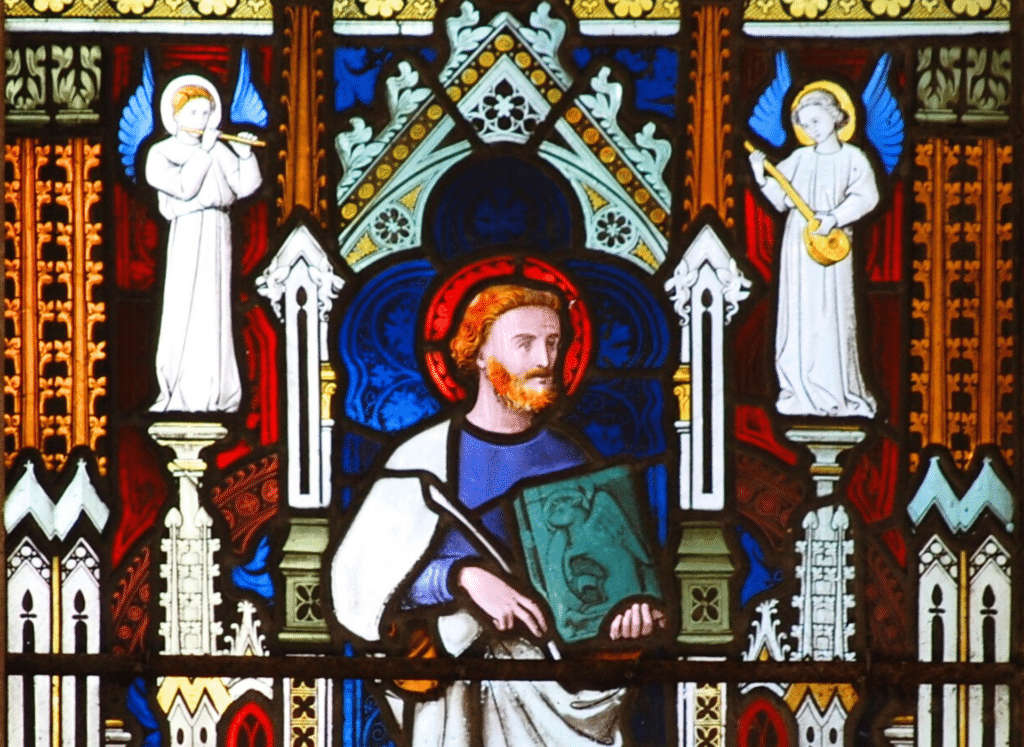
The Feast of St. Luke, celebrated on October 18th, invites Christians around the world to honor the life and contributions of this beloved saint and evangelist. As the author of one of the four Gospels and the Book of Acts, St. Luke leaves a legacy not only on the Christian calendar but also on the

The Early Church has furnished us with a wellspring of liturgical resources. Studies in this area have seen a minor renaissance as modern Christians, particularly Evangelicals, have expressed a desire for a living tradition to hold on to. [1] They desire for this tradition to not simply be the accepted beliefs and practices of those