

The poetry of All Saints is especially wonderful because it captures the multiple themes of the three-day feast, or triduum, often collectively known as Allhallowtide. In this article, I share three sonnets, by three Anglican poets, organized to fit the three days.

Practice Resurrection: A Reading of Wendell Berry’s “Manifesto”
Berry’s “Manifesto”… is more than a commentary on culture and politics, it is a commentary on the human condition.

Batter My Heart, Three-Person’d God: A Reading of John Donne’s Holy Sonnet XIV
“Batter My Heart, Three-Person’d God,” also known as Holy Sonnet XIV, is the 17th-century poet-priest John Donne’s brilliant and controversial poem on the primacy of God’s grace in our salvation. Using both martial and marital metaphors, Donne calls God to action, pleading for rescue from our spiritual enemy. Theologically, the poem reflects the reformed principle…

The Anglican Poet-Priests
Anglicanism’s beautiful use of language has shaped the many Christian believers it has discipled. There should be no surprise, then, that the Anglican tradition has produced centuries of poets among its adherents—even its very clergy.

Psalms and Prayers for Ice and Snow
I grew up in Chicago, where snow is a frequent fact of winter. We noticed the first snow and major snowfalls, and every once in a while, a blizzard would shut down work and school. In such a storm, the danger often comes more from ice than from snow; ice can cut power, damage homes,…

Today’s Anglican Poets
Among all the Christian traditions, and especially those in the Protestant sphere, Anglicanism stands out for its rich and beautiful language. From the creation of the Book of Common Prayer forward, we have been a tradition of prayer through cadence, rhythm… poetry. This tradition may flow naturally from the emphasis on beauty in the Prayer…
Singing the Faith with Mrs. Alexander
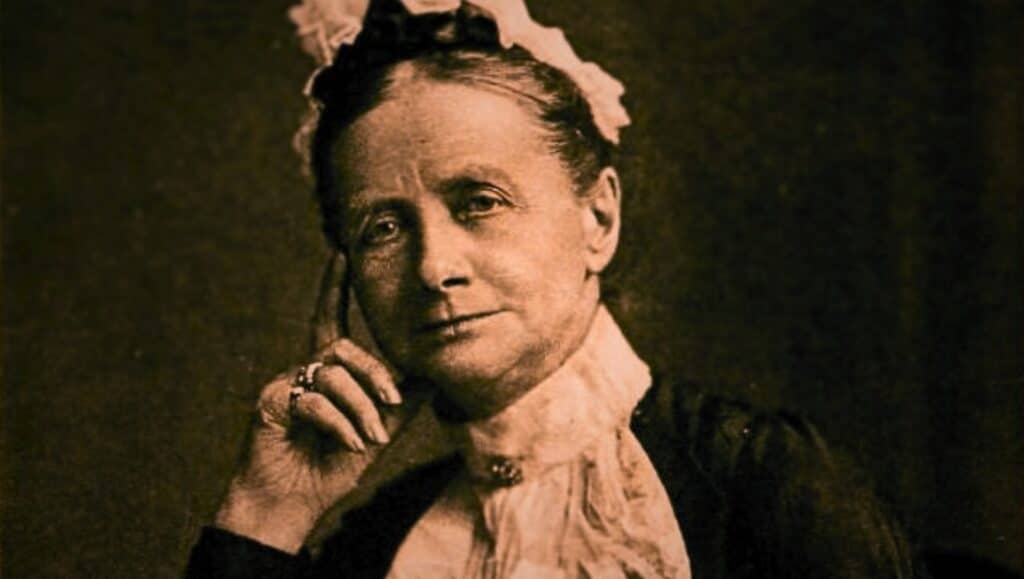
On the surface, there is precious little widely available on the life of Cecil Frances Alexander, a “Hymn-writer and Teacher of the Faith,” as she’s called in the 2019 Prayer Book. I was able to find precisely one biography available online, which, in turn, led me to a smaller one that her husband wrote after…

Death, Be Not Proud: A Reading of John Donne’s Holy Sonnet X
“Death, Be not proud,” also known as Holy Sonnet X, is John Donne’s great poem in mockery of Death. Composed in 1609, the poem was published posthumously in 1633. It is fitting that Donne got the final word, laughing at Death from his grave. The power of the poem is its reversal of our experience….
George Herbert: A Rookie Anglican Guide to the Priest and Poet
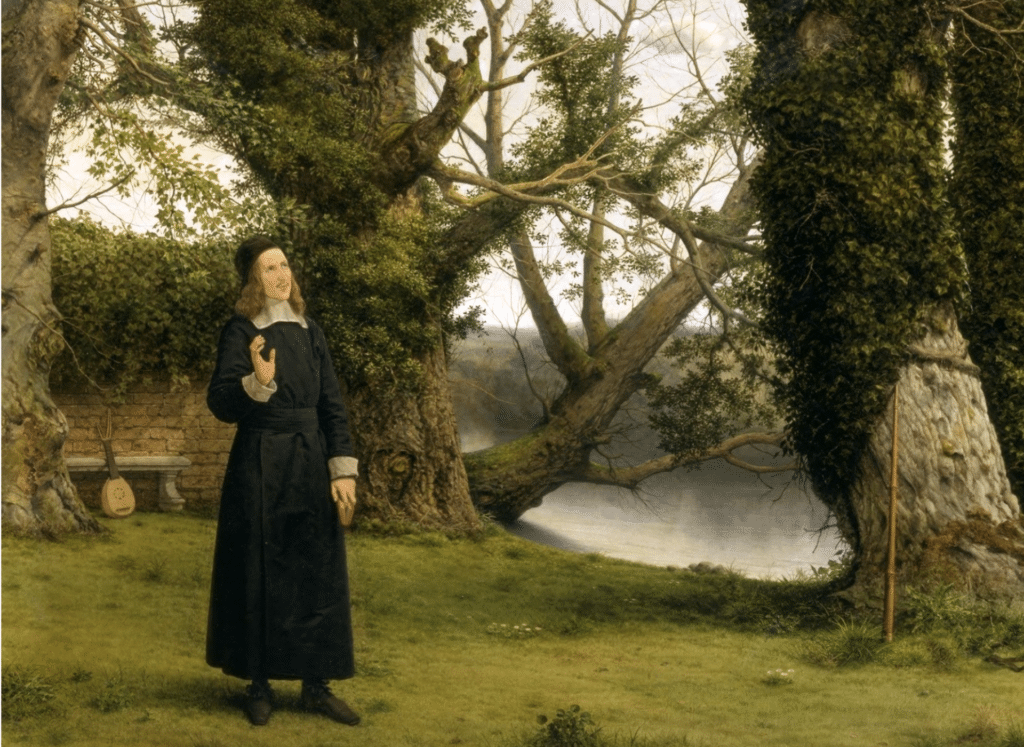
George Herbert, perhaps the greatest devotional poet in the English language, was also a faithful pastor to a small country church. When I was a student, Herbert helped lead the way of my pilgrimage to Christ. As an adult disciple and priest, I have continually refreshed my spirit by dipping back into Herbert’s prose and…
And I replied “My Lord”: A Reading of George Herbert’s “The Collar”
As someone who did not always observe All Saints’ Day or All Souls’ Day, I have grown to appreciate the spiritual significance of both these feasts deeply. As we remember the followers of Jesus who died before us, these feasts remind us that we are part of something bigger than ourselves and encourage us to…

To Be a Window Through Thy Grace: A Reading of George Herbert’s “The Windows”
During my time in seminary, I decided to take a class in preaching to practice the craft in preparation for my future ministry. While the course taught me a suitable method for preparing my sermons, I never received a theological explanation regarding the how, why, or what of preaching, especially as it pertained to Anglican…

Hymn Guide: And Can It Be
Charles Wesley was an Anglican Priest and itinerant preacher who wrote around 6500 hymns in his life. One of the first and best was “And Can It Be.” Likely written shortly after his evangelical conversion in May 1738, it reflects a personal relationship with Jesus through the experience of spiritual rebirth. Charles published “And Can…
