

When the first Book of Common Prayer was released on Pentecost in the year 1549, it was such a shock to the liturgical and theological intuitions of some portions of the Church in England that riots and rebellions broke out over the matter. Especially in Norfolk and in Devon, and most memorably in the city…

The Rev’d Ben Jefferies has served as a parish priest since 2014. He is the editor of the St. Bernard Breviary, and is presently doing doctoral research on E.B. Pusey. He is married with three daughters and lives in Wisconsin.

Where Did Christ Descend To? The Rationale Behind the BCP 2019’s Translation of the Apostles’ Creed
Where did Christ descend to? If you worshiped in an Anglican Church between 1552 (when the Creed was first printed in full in the Prayer Book) and 1979 you would answer “he descended to hell” because in the Apostles’ Creed as you would have learned it, that is what it says: “[He] was crucified, dead,…

The Bible in the Book of Common Prayer
Since its inception in 1549, the Book of Common Prayer (BCP) has remained intertwined with the Bible. Many prayers use phrases extracted from the Bible. The Prayer Book quotes the Bible are quoted directly (for example, Opening Sentences in the Daily Office and Offertory Sentences in the Eucharist service). Whole passages of the Bible exist…

Lessons in Omission: Why Are Some Chapters Missing in the Daily Office Lectionary?
Many folks accustomed to reading Bible-in-a-year plans delight to find that the Book of Common Prayer (2019) includes a Daily Office lectionary that leads the faithful Anglican to read through the whole Bible in a year—at least most of it. Those same folks are sometimes a little dismayed to find that several books are missing…

Christian Feasting vs. Cultural Feasting: What’s the Difference?
Fasting is intuitively a bodily and a liturgical act. The Liturgical Year invites us to “days of discipline, denial, and special prayers” in Lent, Fridays outside of Christmastide and Eastertide, Rogation Days, and Ember Days (BCP, pg. 689). While intermittent fasting has recently been a diet fad, ordinarily fasting in our North American context is…
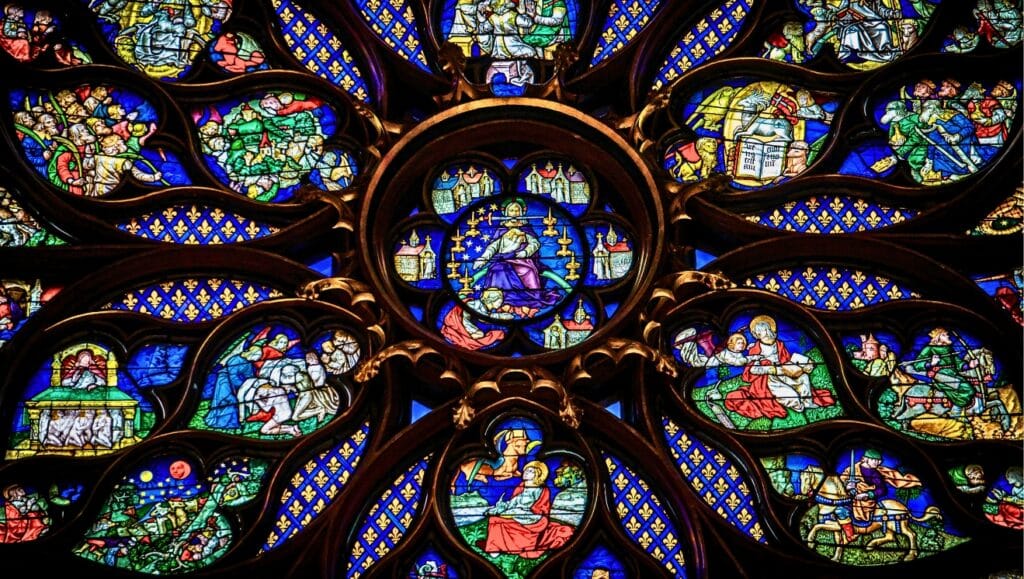
The Calendar of Saints: A Rookie Anglican Guide
Anglicans celebrate feast days for saints to honor exemplary Christian lives, rooted in biblical teachings on imitation. This practice evolved from early church commemorations of martyrs like Polycarp. While Reformation efforts simplified the calendar, Anglicans now recognize both historical and contemporary figures, maintaining focus on Christ as the central figure in worship.

4 Reasons Why I Now Celebrate Communion Facing The Altar, Not the People
Editor’s note: Here at Anglican Compass, we feature content from low church to high church, as long as it’s written with both clarity and charity. Even if you would never consider an “ad orientem” Holy Communion in your own church, I invite you to read about how and why Fr. Ben Jefferies has made the…

Designed to be Read: The Architecture of the ACNA Daily Office Lectionary
The Daily Office Lectionary went through several layers of development during the five years of its existence in trial form.
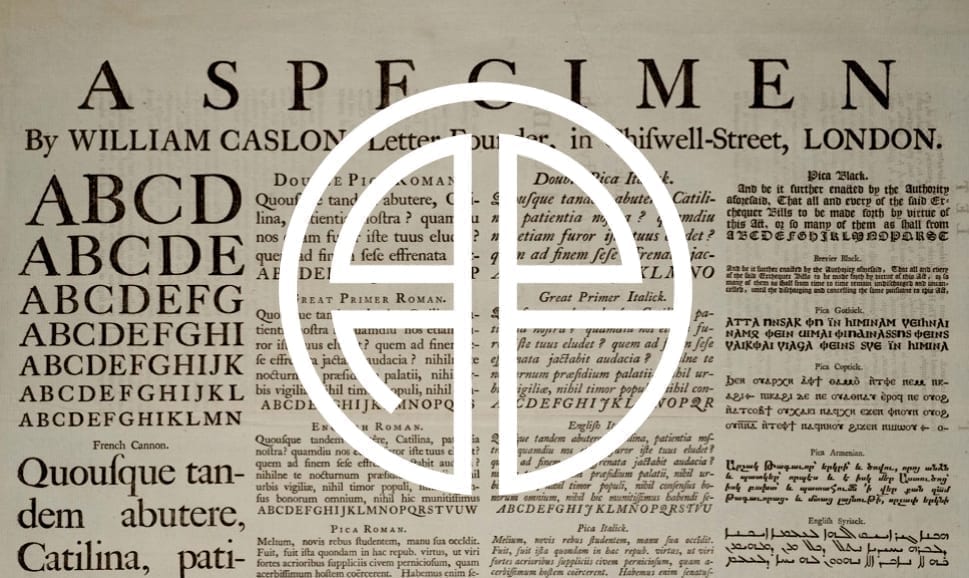
Designed for Mission: The Typography of the ACNA’s New Prayer Book
(Read our Rookie Anglican Guide to the ACNA’s 2019 BCP here.) If you went into an Anglican Church in South Africa, and were handed a Prayer Book, it would be in the Xhosa language. Moments after entering, the officiant starts praying, you glance down and your eyes see the following text: Aze ati, Nkosi, vula…
