

As fire and brimstone rain down upon Sodom and Gomorrah, Lot’s wife looks back. In that moment, she becomes a pillar of salt. What good is a pillar of salt in a barren desert landscape?

The Sunday and Holy Day Lectionary: A Rookie Anglican Guide
Each Sunday, Anglicans gather to hear God’s Word read out loud according to a set schedule of readings called the lectionary. The first reading typically comes from the Old Testament, followed by a Psalm. A second reading, usually drawn from a New Testament epistle, follows the Psalm, and the readings culminate in a selection from…

Sola Scriptura: Why the Bible is Our Highest Authority
Sola Scriptura is the doctrine that the Bible is the highest authority in matters of faith and morals. The phrase is Latin for “scripture alone” and indicates that scripture is the final authority to which we can appeal in matters of the faith.

The Bible: Believing God’s Word Written (Jerusalem Declaration 2.1)
Clause 2 has two sentences. Taken together, they capture the twofold dynamic of the Bible, moving from God’s gracious self-revelation to our thankful response.

Book Review: ESV Expository Commentary
Over the last few years, Crossway has released a new Biblical commentary series called ESV Expository Commentary. Of course, with their publication, every new Bible commentary series must answer the same fundamental question: what—if anything—sets it apart? Do We Really Need Another Bible Commentary Series? Pastors, teachers, scholars, and lay readers all ask this whenever…
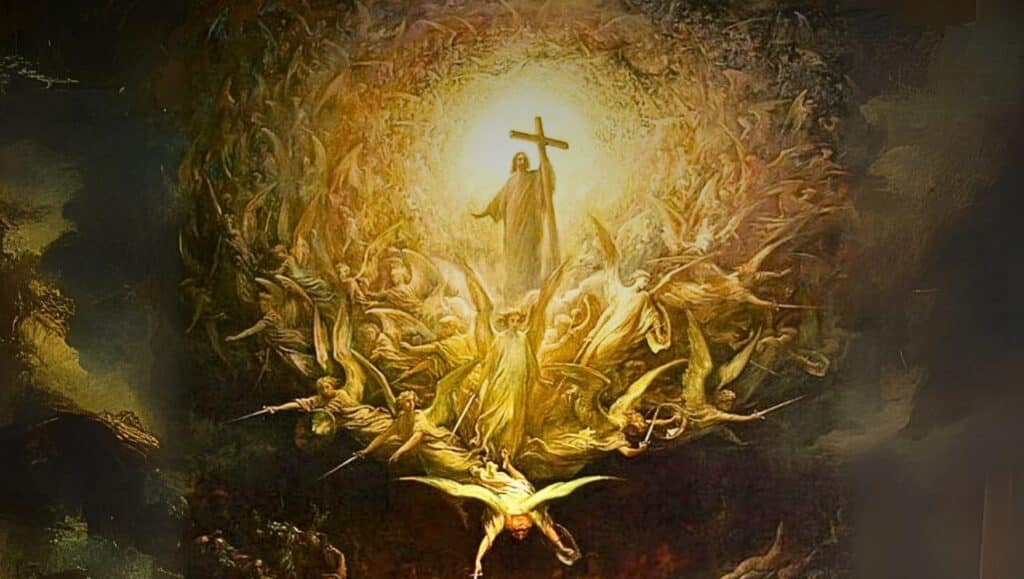
We Believe: And His Kingdom Will Have No End
Old Testament Context This line from the Nicene Creed, “and his kingdom will have no end,” is a simple case of Old Testament continuity and fulfillment. Of the increase of his government and peace there shall be no end, upon the throne of David, and upon his kingdom, to order it, and to establish it…

The Four Mountains of Scripture’s Story
“Moses wanted more than anything else to see the face of God, but on Mount Sinai, God wouldn’t let him. But God granted Moses’ wish on Tabor when he saw Jesus face to face. If you believe in Jesus as Lord and God, you too will see the face of God just as Moses did…
We Believe: In Accordance with the Scriptures
At first glance, it’s easy to assume that the Nicene Creed’s phrase “in accordance with the Scriptures” refers to one or two Old Testament proof texts. After all, Paul uses this exact formula in 1 Corinthians 15:3-4: Christ died for our sins in accordance with the Scriptures … he was raised on the third day in accordance…
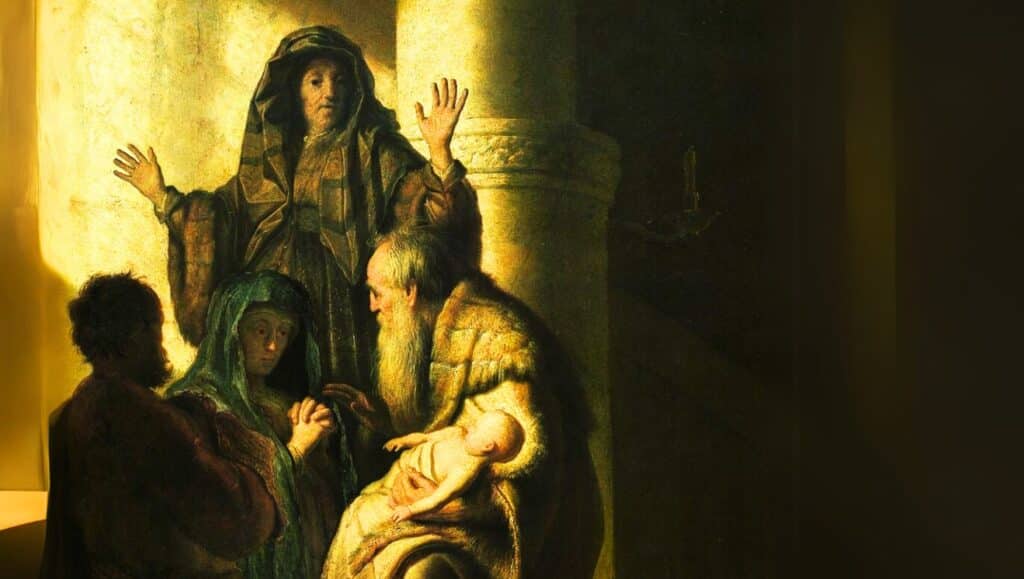
The Presentation of Our Lord: The Message of Candlemas
Why does the Church return to Jesus’ infancy every February 2 for the Feast of the Presentation, also called Candlemas? The reason is both chronological and theological.
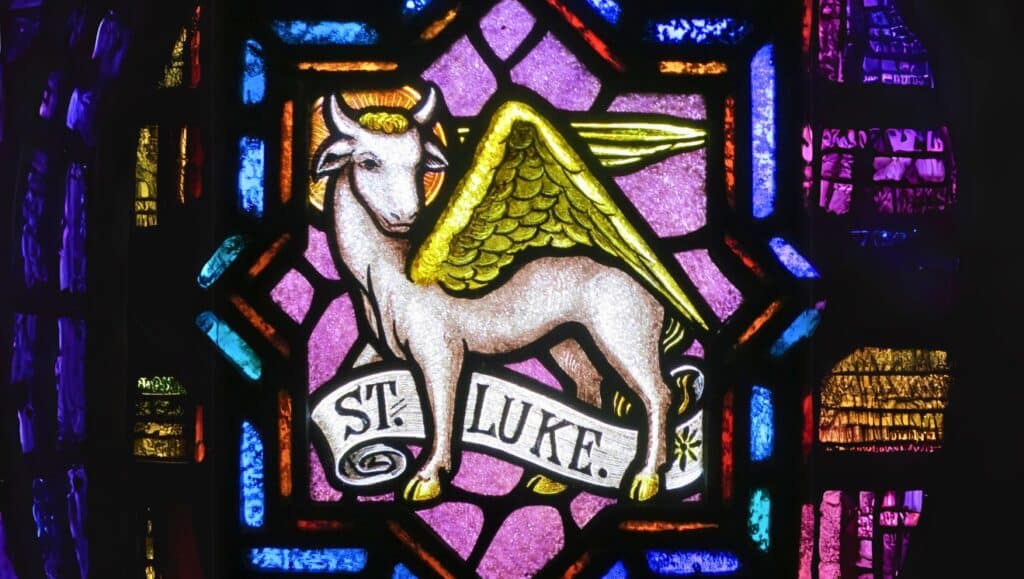
The Sacrifice of the Ox: A Guide to the Gospel of Luke
In Luke, Jesus begins life like an ox, in an ox’s manger, bringing good news for the poor. He bears burdens and brings prosperity.

William Tyndale: A Translator Tested By Fire
William Tyndale was the father of the English Bible and the first to translate the text from its Hebrew and Greek original. Forced into exile, Tyndale printed his Bibles on the European continent and smuggled them back into England. Though the authorities burned Tyndale’s Bibles and then Tyndale himself, their fire did not consume his…

The Bible: Walking in God’s Word (Jerusalem Declaration 2.2)
The Jerusalem Declaration offers a set of principles to guide us in our Christian walk, as outlined in the second sentence of Clause 2: “The Bible is to be translated, read, preached, taught and obeyed in its plain and canonical sense, respectful of the church’s historic and consensual reading.”