

Thomas Aquinas was a Dominican friar, priest, philosopher, and above all, a theologian. He is best known for his massive work, the Summa Theologiae, which summarizes the main tenets of the Christian faith.

Book Review: Paul, Apostle of Grace by Frank Thielman
Frank Thielman’s Paul, Apostle of Grace begins with a welcome note of scholarly humility. Acknowledging the difficulty of reconstructing the life of one of Christianity’s most influential figures, Thielman makes clear that his aim is not to offer an exhaustive biography but rather a historically responsible portrait.

St. Hilda of Whitby and the Ministry of Unity
In an era of polarization, even within the Church, it’s often hard to find leaders who attempt—let alone succeed—in bringing Christians together for the sake of the gospel. St. Hilda of Whitby stands among the most significant luminous figures of the early English Church—wise, steady, and quietly formidable. Centuries before the Reformation, when English Christianity…

Icons Over Idols: Heroes in an Age of Disillusionment
There is an overwhelming lack of trust in leadership and institutions, including religious leaders, in our day. I’ve had young men approach me privately within my parish, lamenting that they believe they cannot trust the actions or teachings of any religious leader or denomination. A perceived absence of trustworthy shepherds—dare I say heroes—plagues the Christian…

Hymn Guide: For All the Saints
Long before I thought about its lyrics, I loved to sing “For All the Saints.” The marching rhythm, the majestic tune, the repeated Alleluias: these would stir in my heart and inspire devotion to God. How wonderful, then, to discover that the hymn is also deeply theological, offering a profound reflection on the meaning of…

St. Philip the Evangelist: Deacon, Preacher, Scholar, Dad
St. Philip the Evangelist is best remembered for his witness to the Ethiopian eunuch, a conversion story recorded in Acts 8. But this is only one of the remarkable stories of Philip, who appears in the Book of Acts as a deacon, a preacher, a scholar, and a dad. In this article, I briefly survey…
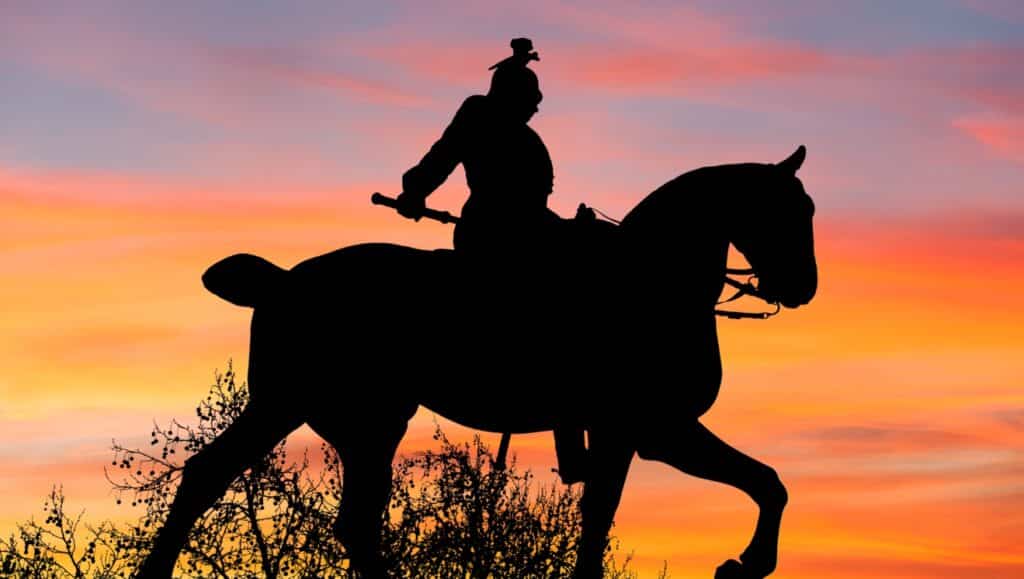
The Michaelmas Sword and the Christian Knight
A peculiar Anglican tradition I recently learned about is the tradition of carrying a sword at the head of the procession during the Feast of Holy Michael and All Angels, which we commonly call Michaelmas. This might seem a bit aggressive to many, and I suspect that’s why it is no longer a widespread practice. At first, I…

The Liturgical Home: The Feast of St. Barnabas
On June 11th, we celebrate the Feast of St. Barnabas, a true pioneer of the early Church. St. Barnabas may not be as well known as Peter or Paul, but his faithfulness, generosity, and encouragement changed the course of the Church. He reminds us that sometimes the most powerful witness comes not from preaching, but…
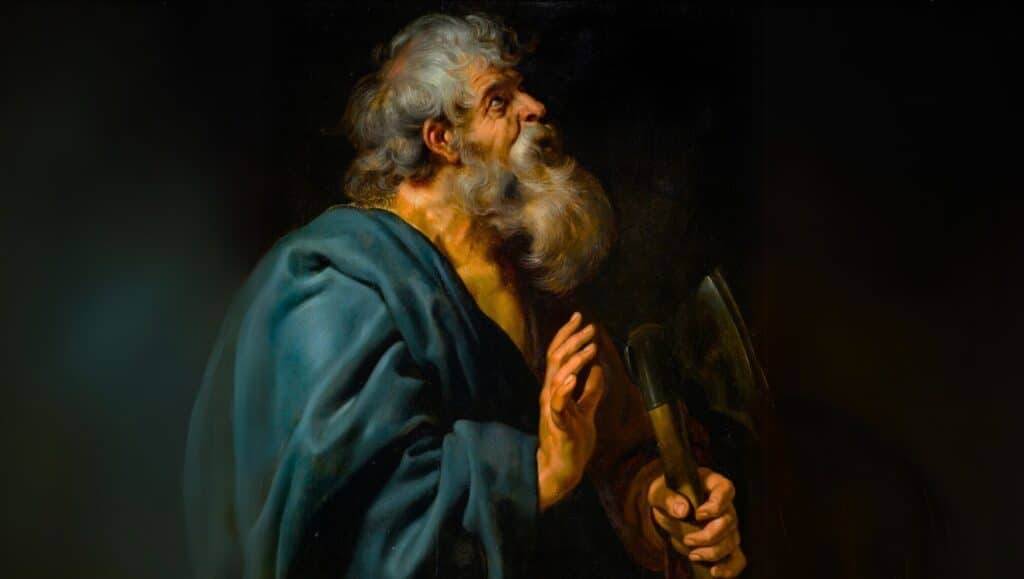
The Liturgical Home: St. Matthias, the Apostle Who Replaced Judas
The Church commemorates St. Matthias on February 24th, recognizing him as the apostle chosen to replace Judas Iscariot. A devoted follower of Jesus, Matthias was selected through prayer and casting lots. His legacy emphasizes God’s call to ordinary people for extraordinary purposes, highlighting themes of faithfulness and humility in service.

Polycarp: A Martyr Who Bore Much Fruit
In the providence of God, a person’s name sometimes accurately reflects the meaning of his life. Such is the case with Polycarp, the 2nd-century bishop and martyr. Polycarp is a Greek name that means many (poly) fruits (carp), and in light of scripture, this is an especially appropriate name. Jesus himself said: Truly, truly, I…
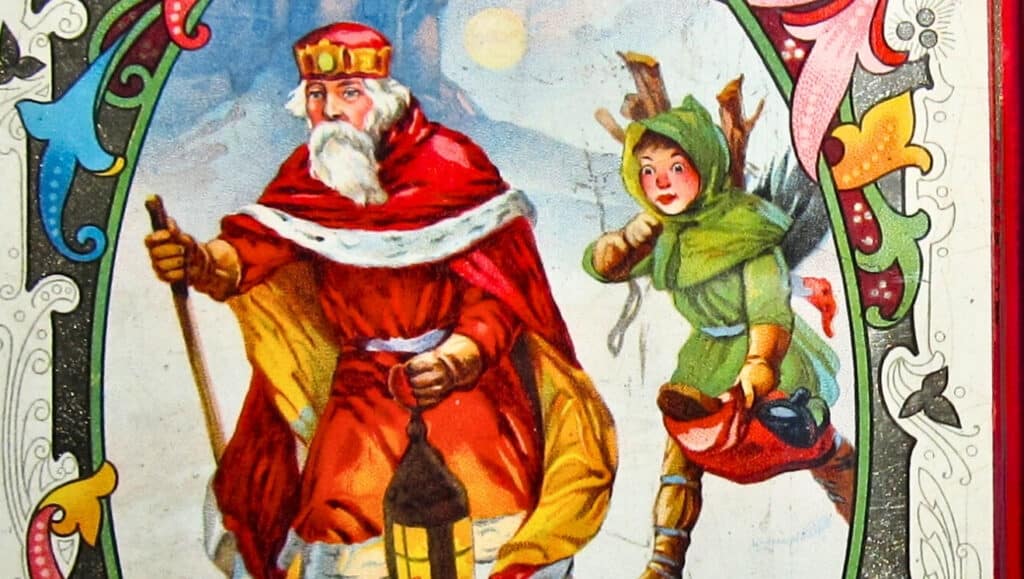
Hymn Guide: Good King Wenceslas
“Good King Wenceslas” is a Christmas Carol that celebrates generosity, sacrifice, and the power of holy imitation.
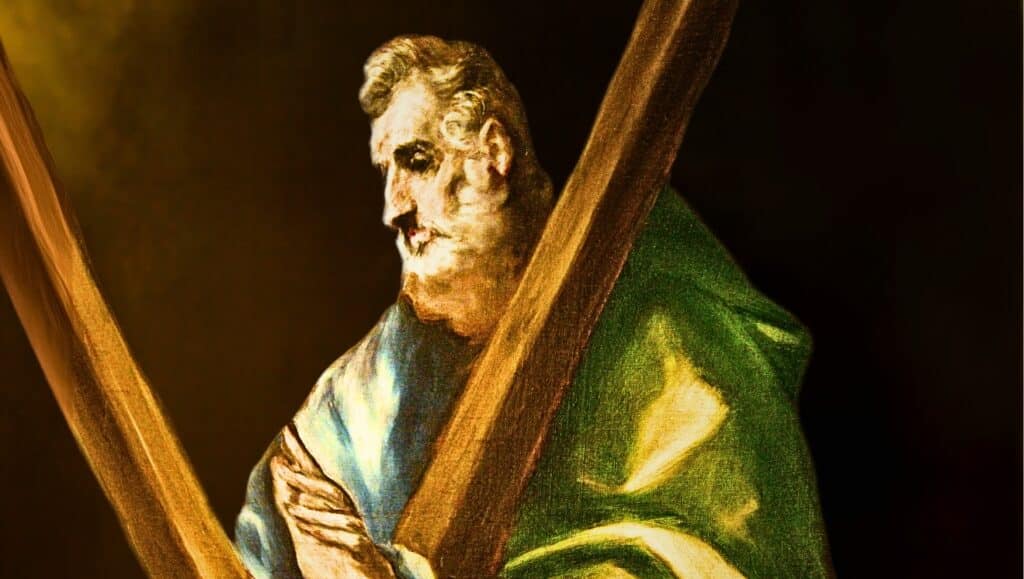
The Liturgical Home: The Feast of St. Andrew
Each year on November 30, Christians worldwide honor the life and legacy of a devoted disciple and father of the early Church, St. Andrew.
