

St. Ignatius of Antioch: Apostolic Father and Martyr
Posted on October 16, 2026By Ron Offringa
When I first read Ignatius’ letters, I was captivated by a man who loved Christ more than anything.
When I first read Ignatius’ letters, I was captivated by a man who loved Christ more than anything.
What is fundamental? Christians should ask themselves this question, because what we hold as fundamental defines our core convictions, timeless truths, and essentials.
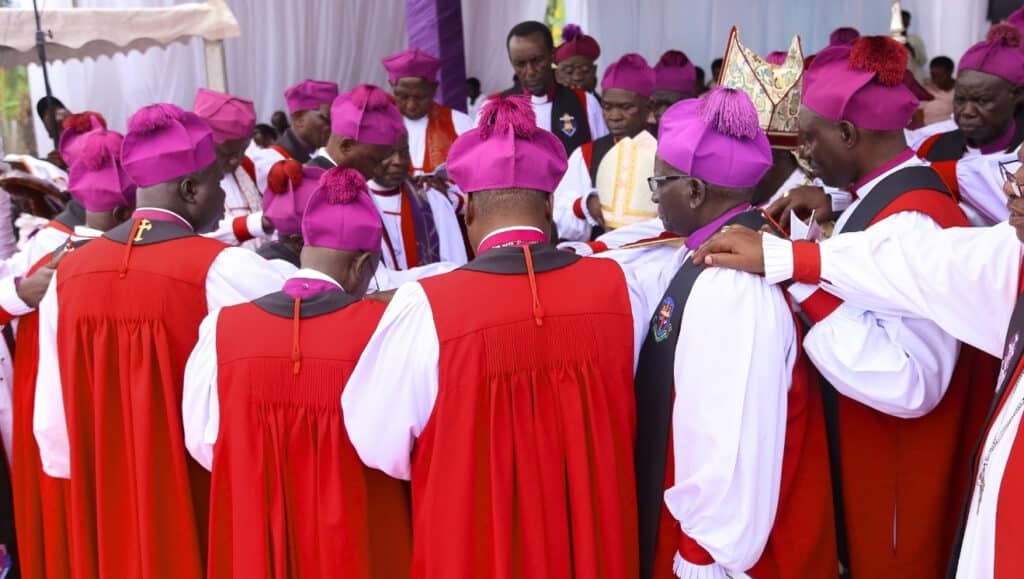
We recognise that God has called and gifted bishops, priests and deacons in historic succession to equip all the people of God for their ministry in the world.

As both a therapist and a parishioner, I have watched many weary believers seek refuge in liturgical traditions—drawn by beauty, order, and a sense of rootedness after years of spiritual fatigue within politicized or performance-driven church cultures. I have seen institutions rise to moments of grace and stumble into failure. The difference often lies not

Speed is an essential quality of effective church discipline. Speed is not merely helpful; rather, speed is essential. We find this principle grounded in Biblical teaching, English common law, the American Constitution, and contemporary practice. The saying is true (and worthy of full acceptance): when justice is delayed, justice is denied. Moreover, the church’s recent
Editor’s Note: The Rev. Dr. Stephen Noll, now a board member of Anglican Compass, also served from 2015 to 2020 as the Convener of the GAFCON Task Force on Women in the Episcopate. In 2017, this Task Force issued a recommendation for a moratorium on the consecration of women bishops. In this article, we share Dr. Noll’s 2019 essay

The Story Behind the Statement The legal legitimation of same-sex marriage in June 2015 was an important crossroads in American history and the Anglican Church’s witness in North America. I saw this event coming twenty years ago. I felt led to write a tract for the 1997 Episcopal General Convention titled Two Sexes, One Flesh:
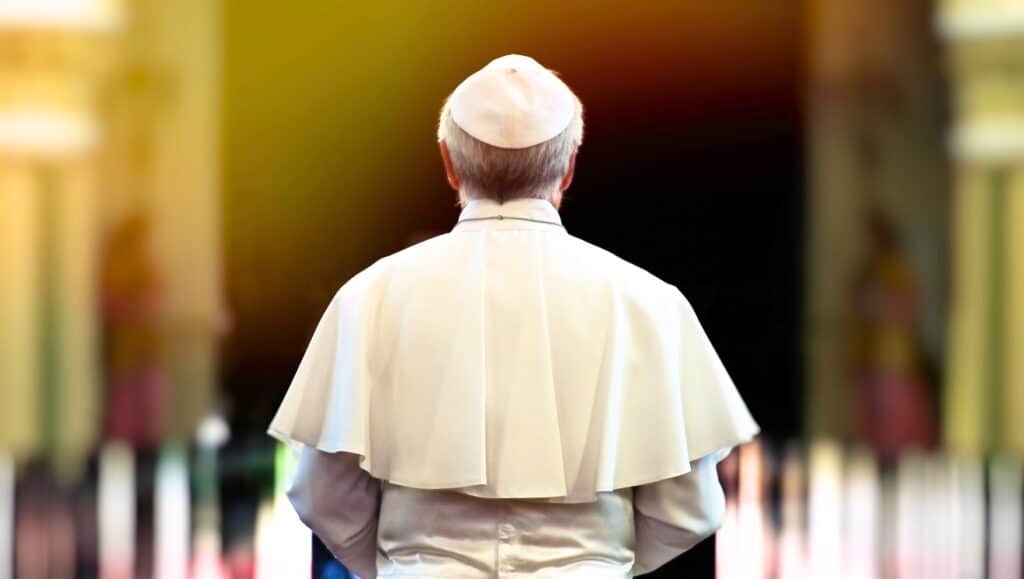
Jesus once asked his disciples, “Who do you say that I am?” It was Peter—bold, impetuous Peter—who stepped forward with the answer: “You are the Christ, the Son of the living God.” In response, Jesus made a staggering promise: “You are Peter, and on this rock I will build my Church.” (Matthew 16:18). It was
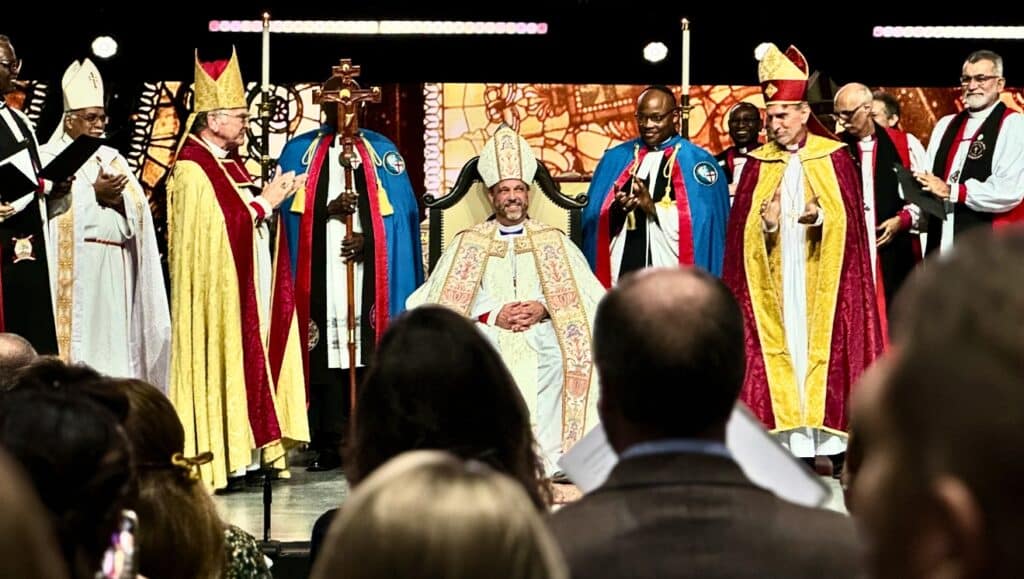
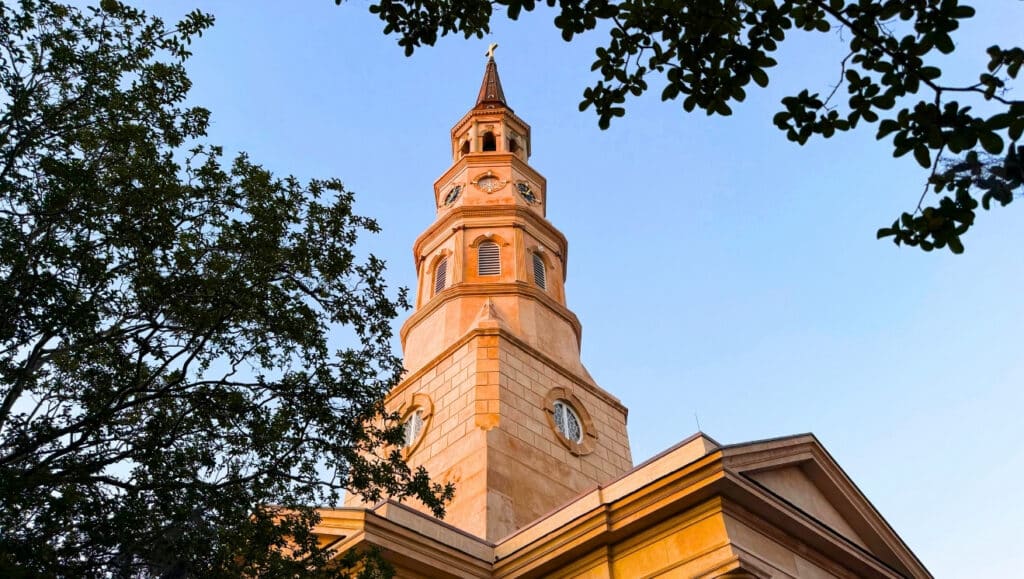
I had the privilege of traveling to South Carolina for the investiture of our new archbishop, Steve Wood. In Charleston, I called an UBER and asked to go to St. Andrew’s, the parish Archbishop Wood has pastored over the last 24 years. But when we arrived at St. Andrew’s, few cars were in the parking
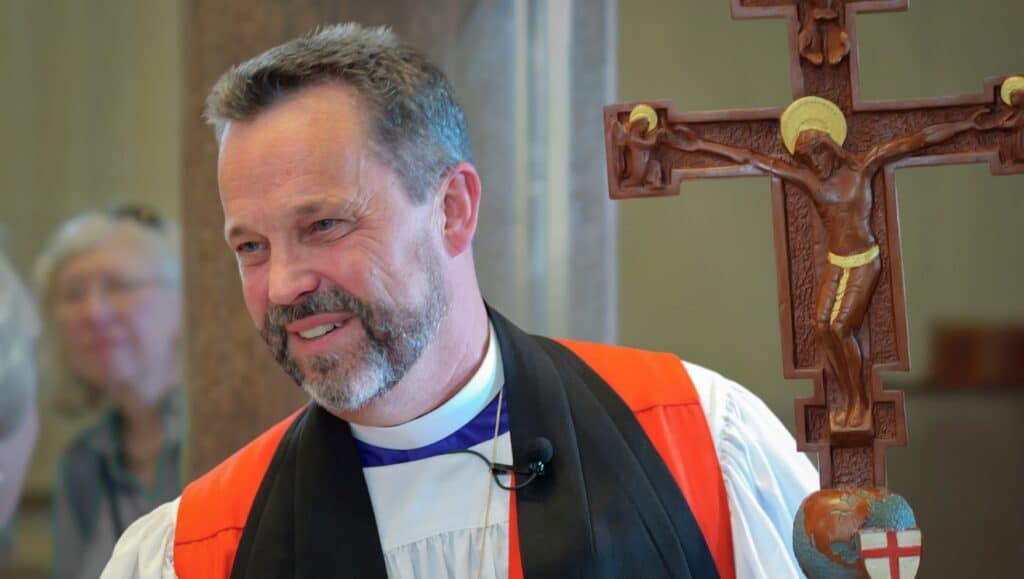
We ask Steve Wood his pastoral experience will inform his leadership as Archbishop and Primate of the Anglican Church in North America.
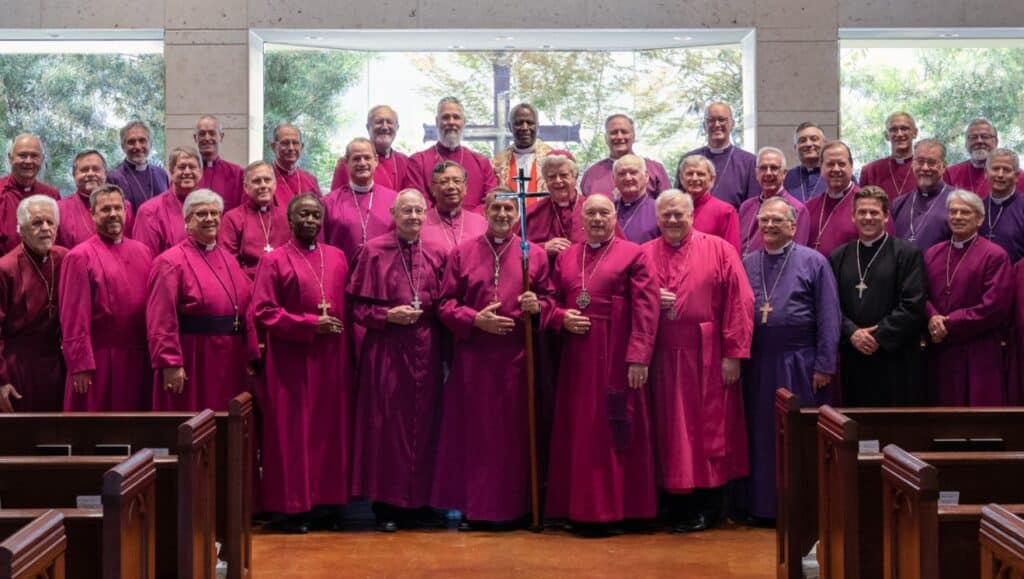
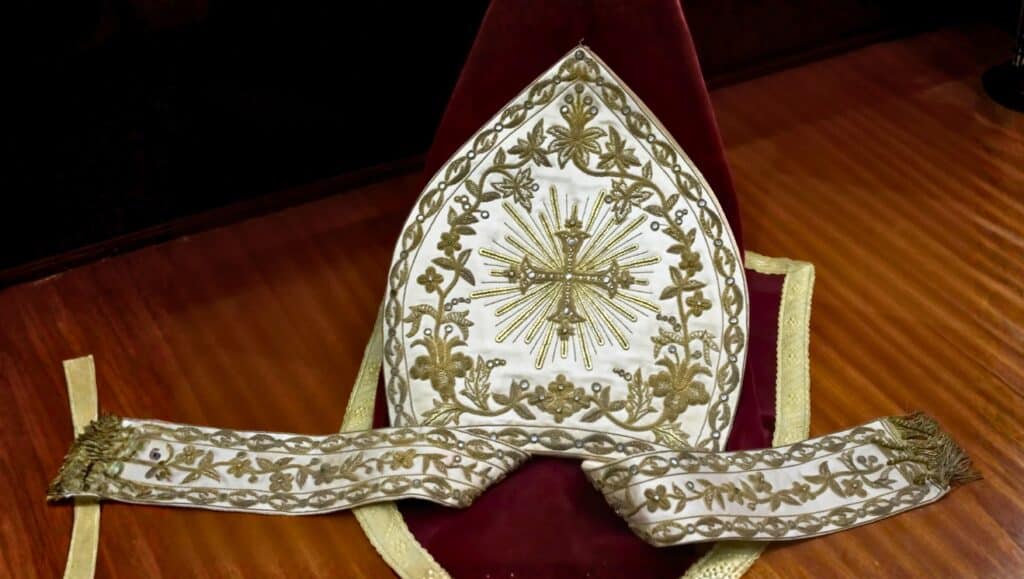
Why do bishops wear purple? As a symbol of authority, sobriety, and boldness in the gospel. Please note: this article offers a theological rationale for the practice rather than a historical explanation. As a historical matter, Anglican bishops have more commonly worn scarlet, black, and white; episcopal purple was a relatively recent development. Purple and
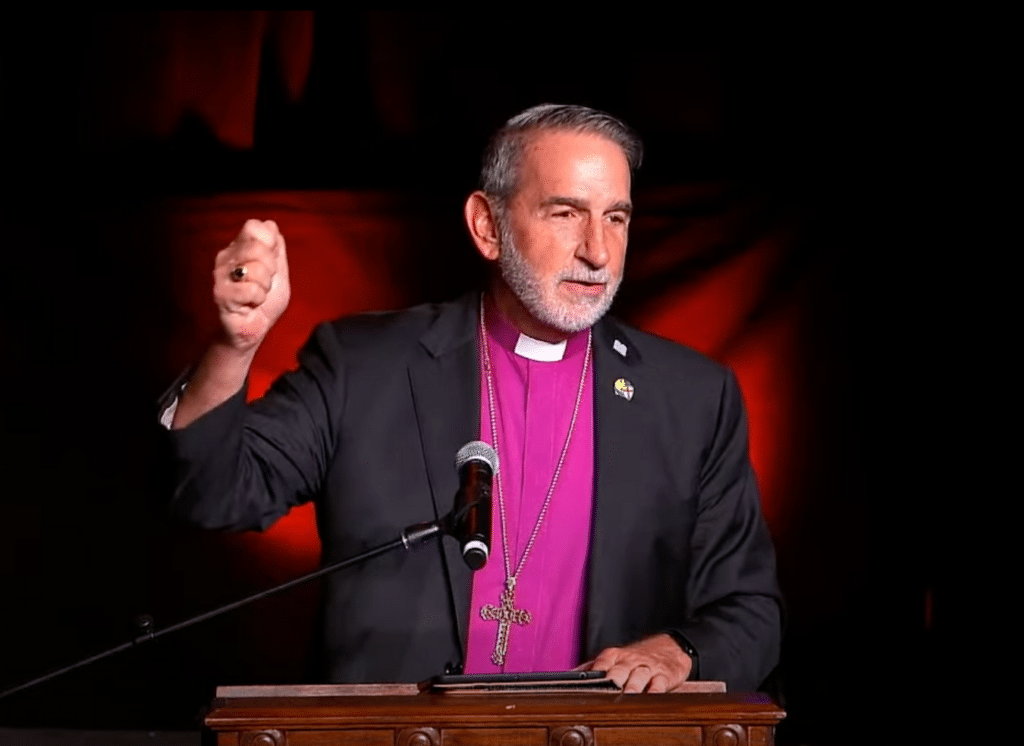
“Forward. Always Forward. Everywhere Forward.” Archbishop Beach used these words at the beginning of his tenure as Archbishop, borrowed from the motto of Saint Vincent College. Now that he concludes his tenure, it is fitting to reflect on his remarkable journey, together with the breadth of his ministry at home and abroad. Guided by his