

Why I Became Anglican (And You Should, Too!)
After nearly four years of prayer, discernment, and hard discussions with friends and mentors, I officially left the Southern Baptist…
You're attracted to the beauty of the Anglican tradition, but it is broad and complex, and there is a lot to discover. Where does one begin?
Not at all! Anglicanism attracts people from a wide variety of backgrounds: the unchurched, the burnt-out, and those simply looking for an expression of Christian truth that is ancient, rooted, embodied, and beautiful. This journey from other traditions into Anglicanism is often called "the Canterbury Trail," and many are walking it!
After nearly four years of prayer, discernment, and hard discussions with friends and mentors, I officially left the Southern Baptist…
I was a young child the first time I encountered the sign of the cross. It must have been on…

The Faith Once Delivered to Me I grew up in a church affiliated with Calvary Chapel, a denomination that directly…
A Bright Morning I grew up the son of a Southern Baptist pastor. My entire young life was spent in…
Becoming the editor of Anglican Compass was a full-circle experience. It’s possible that I wouldn’t be an Anglican without Anglican…
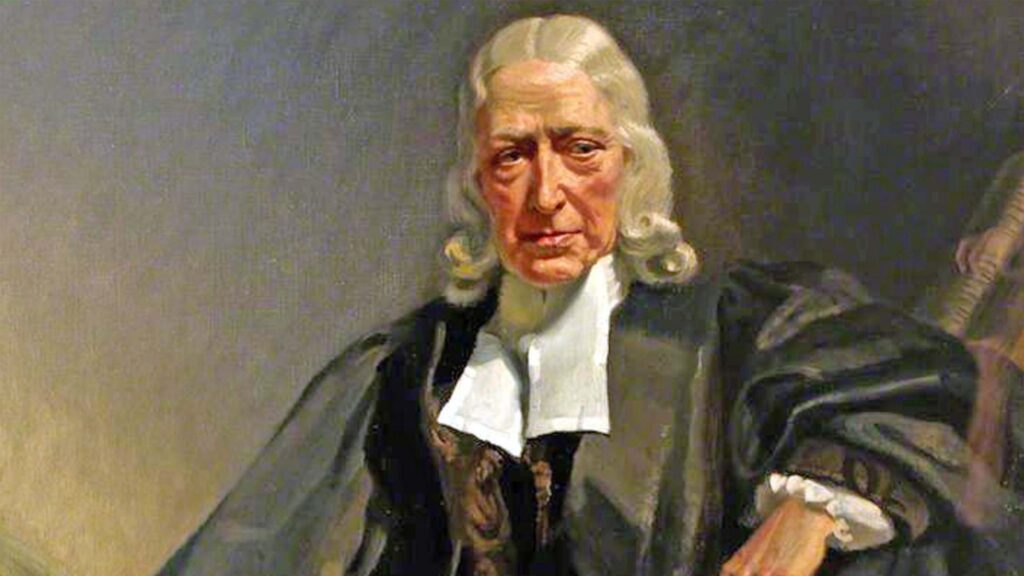
In 2022, I left my spiritual home of over 23 years. God was calling me from the United Methodist Church…
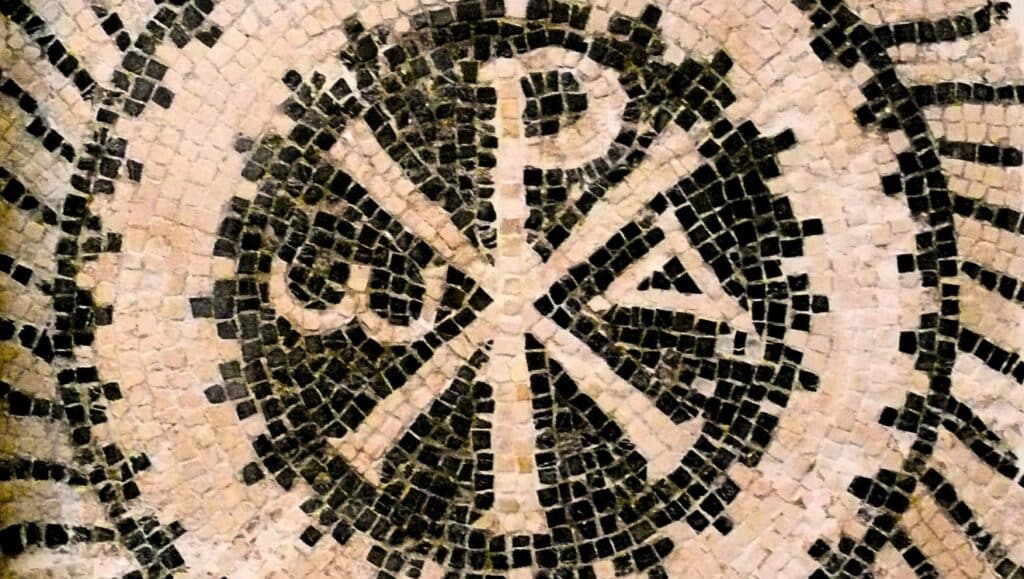
I reached a spiritual breaking point when I started college at Liberty University. Everyone seemed to be talking directly to…
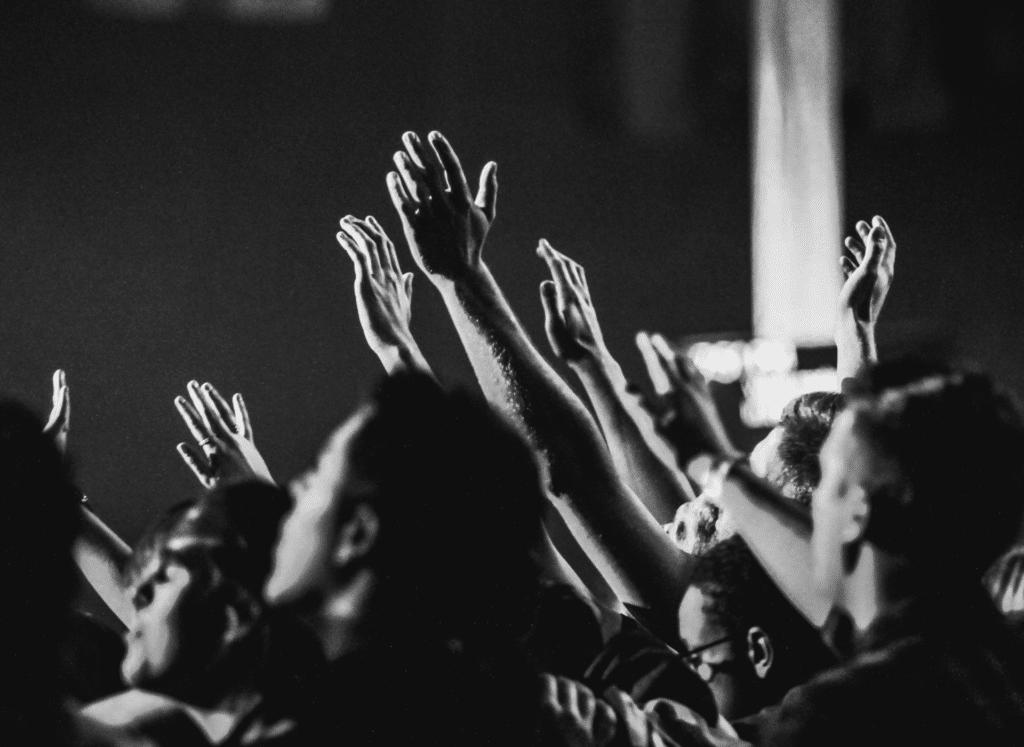
At my ordination, the bishop gave me the option of kneeling or laying prostrate while he prayed over me. Laying…
The Anglican tradition is both catholic and reformed. Our catholic heritage comes from Celtic and Roman missionaries to the British Isles, founding a distinct "Church of England." This vibrant and mission-oriented church embraced biblical teachings and catholicity (universality). These Christians actively spread the Gospel by integrating into villages and cities and engaging with people in their daily lives.
In the 16th century, Christian leaders reformed the Church of England. In their historic Formularies and practice, they embraced the gospel of grace and affirmed Scripture's authority yet preserved the sacramental and liturgical worship and bishop-led church government in place since the first century. Our beliefs can be summed up in confessions like the 39 Articles of Religion of the 16th century or the 21st-century Jerusalem Declaration.
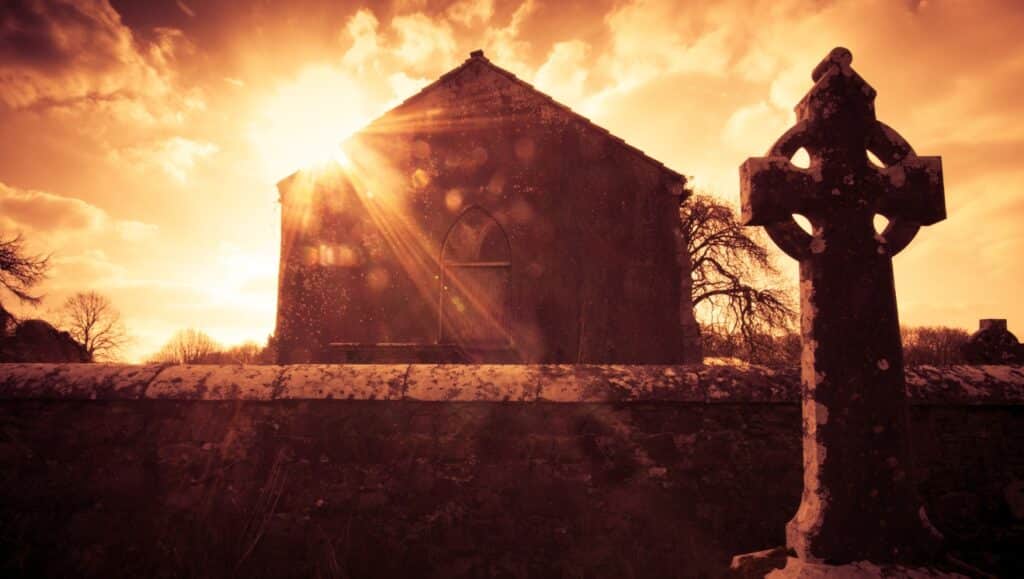
The Anglican tradition traces its roots back to the time of the Roman Empire when a Christian church first came…
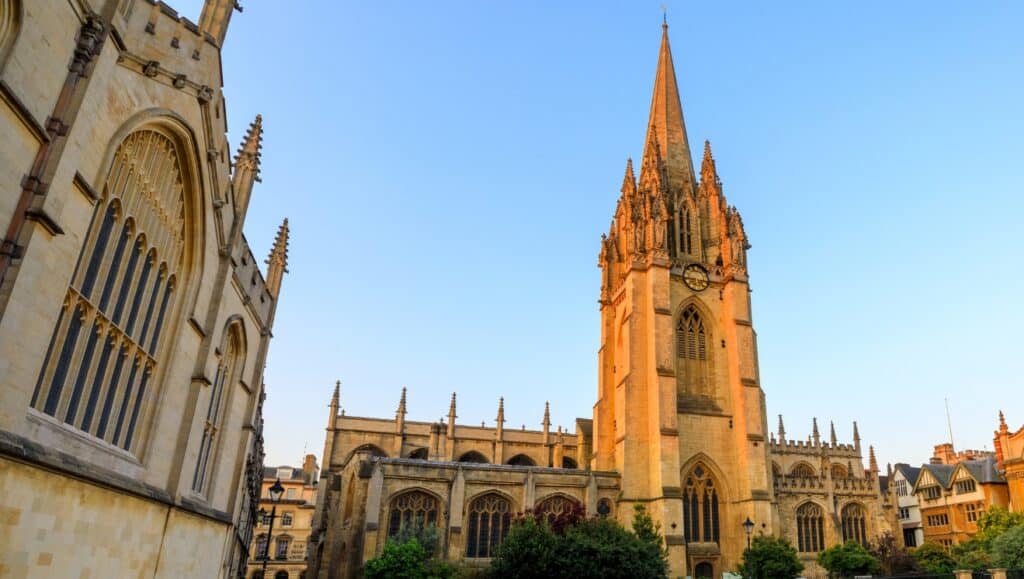
With more than fifteen hundred years of rich history, this ancient tradition still has the power to speak to our…

The Anglican Formularies are the Thirty-Nine Articles, the Book of Common Prayer, and the Ordinal (the service for ordaining clergy).…
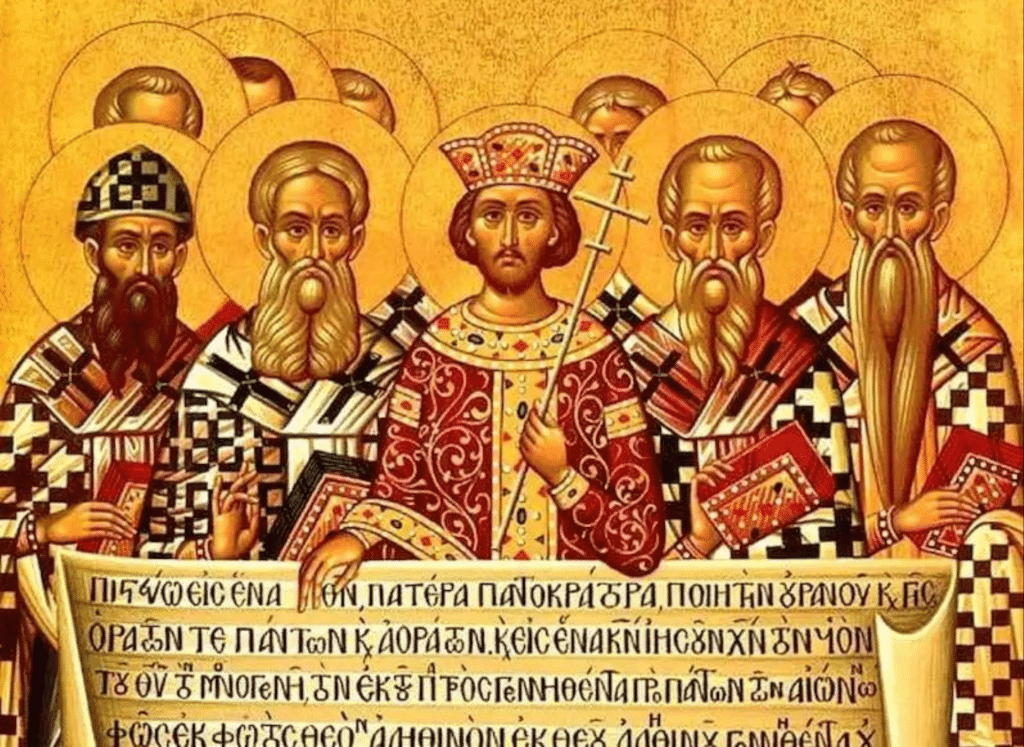
Confessing Creeds in the Contemporary World Anyone new to Anglicanism will soon realize the importance of creeds. The two most…
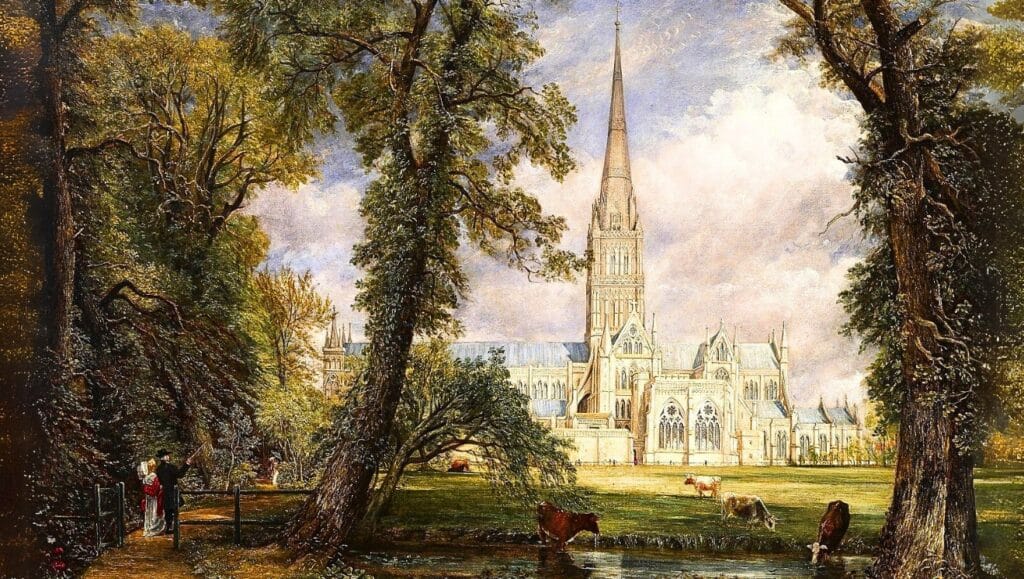
“What is Anglicanism?” I’ve heard all kinds of answers. Some define it as catholic. Others speak of it as reformed.…

Aidan and his companions knew the value, in imitation of Christ, of recharging our physical and spiritual batteries. It goes…
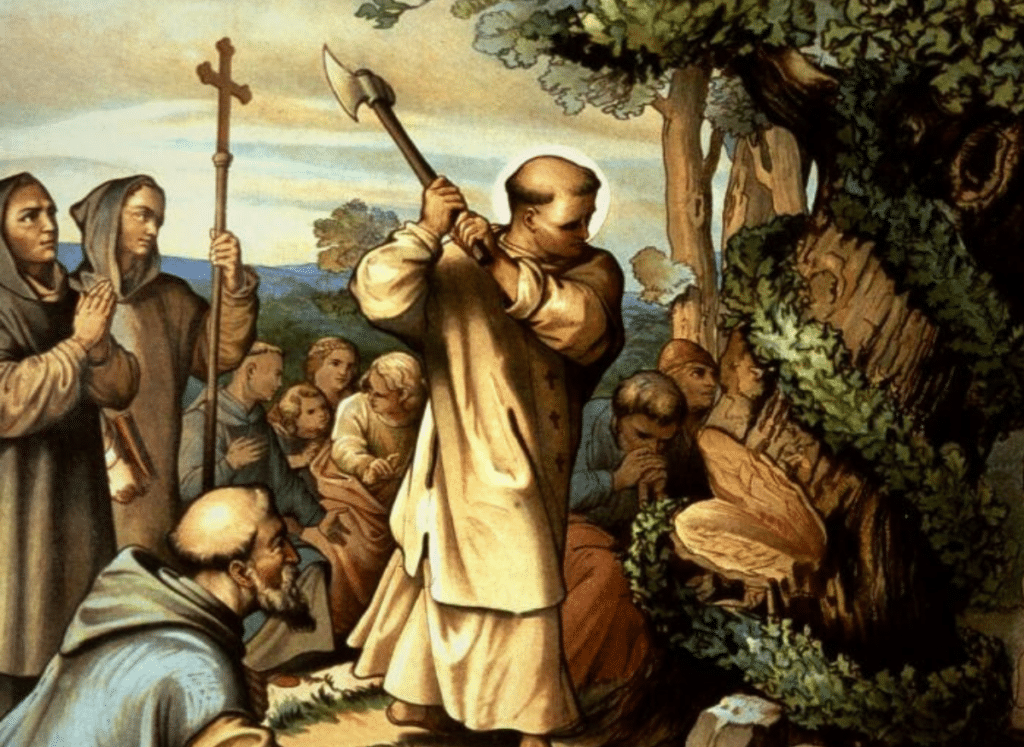
Saint Boniface, the 8th-century English bishop, missionary to Germany, and martyr, was a master of discretion. Guided by the Scriptures…

“I want to know one thing—the way to heaven…Let me be homo unius libri [A man of one book]. Here,…
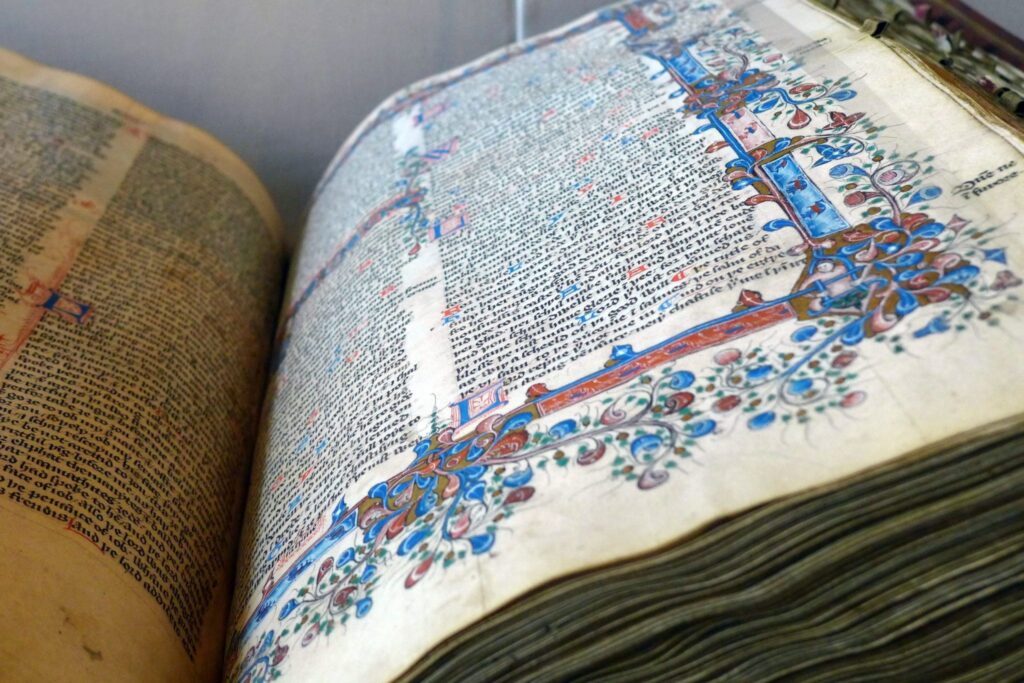
Anglicanism is deeply committed to the authority of Holy Scripture. It seeks to uphold the authority of Scripture in doctrine…
Our worship is structured by the Book of Common Prayer, also called the Prayer Book or BCP. It was first published in 1549 by Archbishop Thomas Cranmer, who collected the ancient liturgies of the church and reformed them according to the teachings of scripture.
The BCP includes services for the whole of Christian life. There's daily prayer, Holy Communion, and services for the sacraments and the stages of life, from baptism to burial.
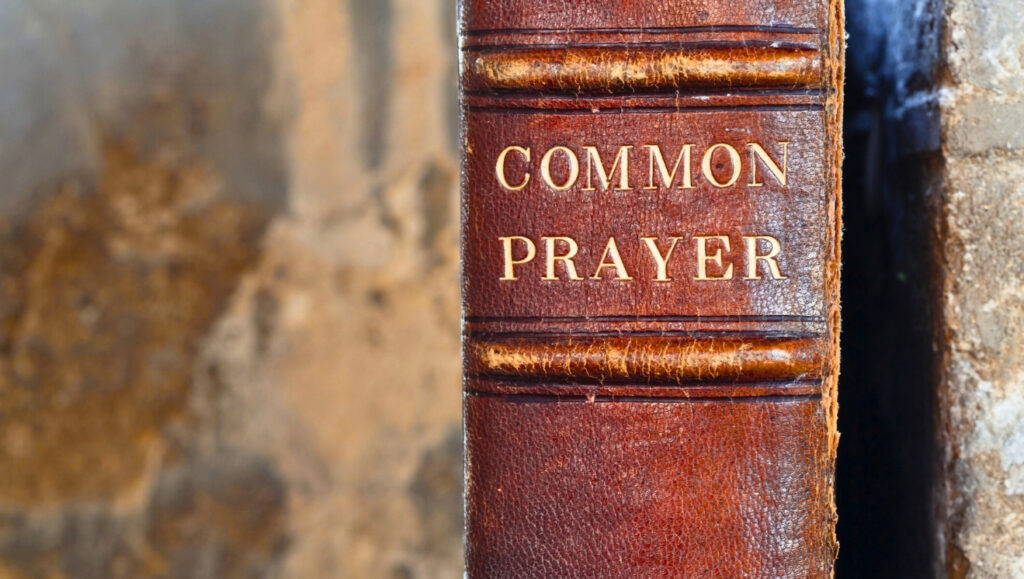
You can’t be curious about Anglicanism for long without running into the Book of Common Prayer, commonly called the Prayer…
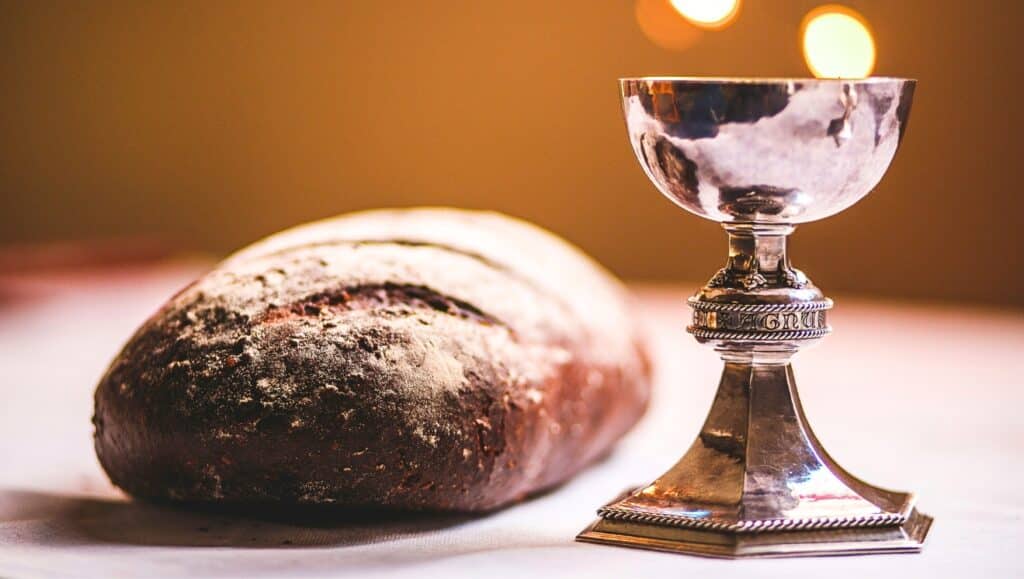
Each Sunday, in churches across the Anglican tradition, the faithful come forward to receive a piece of bread and a…
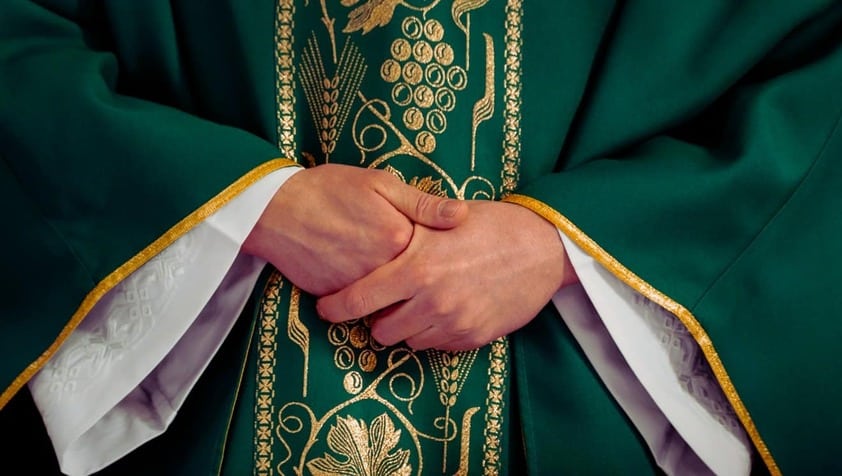
You walk into an Anglican church and see many people wearing a wide array of odd clothing. You notice ministers…
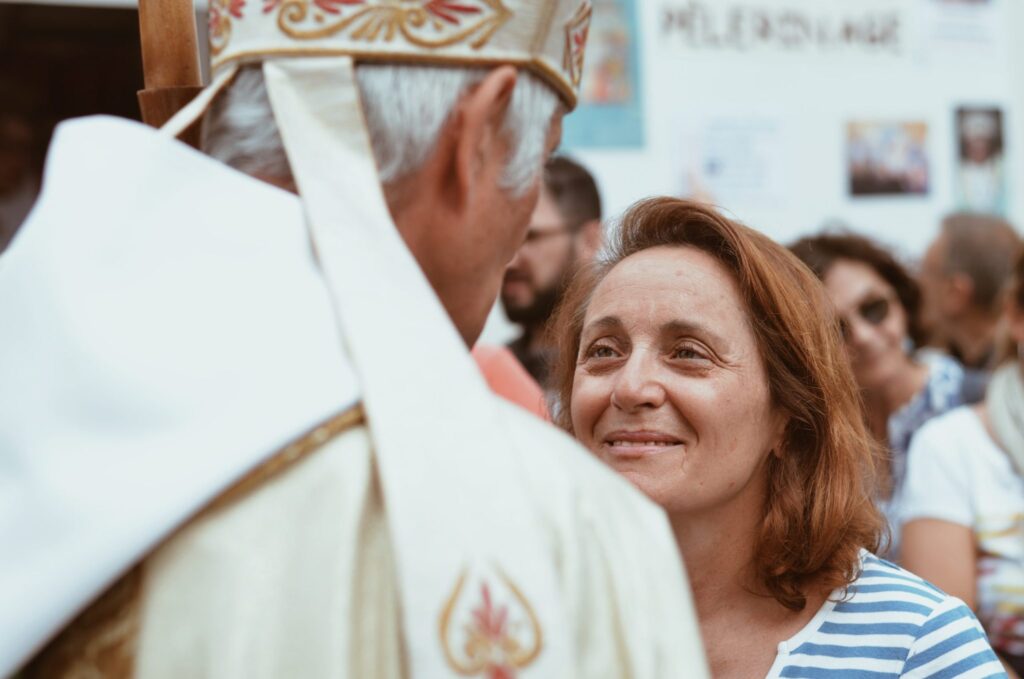
What is Confirmation? Confirmation is a church practice that falls into the category of what the Anglican Catechism calls “rites…

Marriage is purpose-driven, that is to say, driven by God’s design from the beginning. In the marriage liturgy, after the…
When I die, please don’t call my burial service a Celebration of Life. Don’t get me wrong, I hope that…
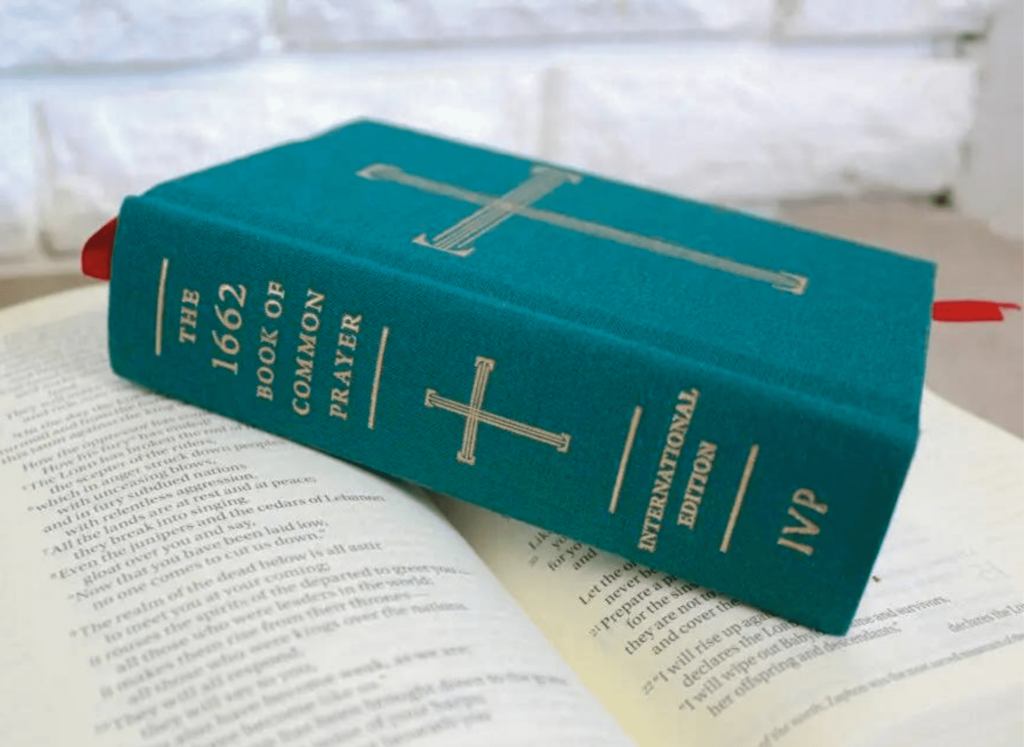
Do you want to pray with the church and immerse yourself in the Bible? Then the Book of Common Prayer…
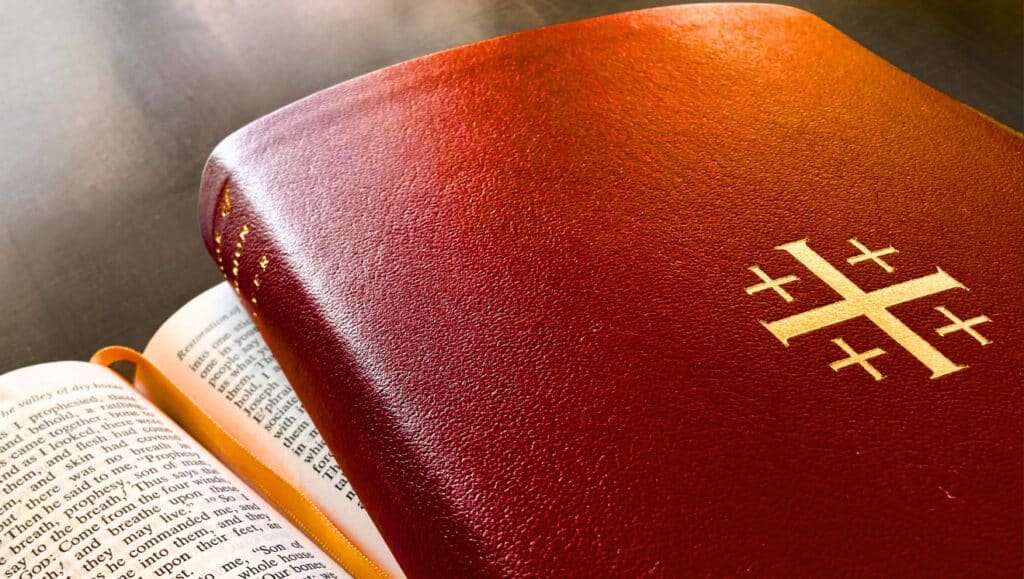
In 2019, the Anglican Church in North America (ACNA) released its official edition of the Book of Common Prayer. As…

The baptized receive regeneration, the forgiveness of sins, and adoption as children of God and members of the covenant. Both…
Anglican spirituality is founded on the pattern of daily prayer. Called the Daily Office, it includes Morning Prayer, Evening Prayer, and sometimes Midday Prayer and Compline. For centuries, Anglican Christians have found the stability and the theological and spiritual depth of the Daily Office enriching to their souls.
Anglican Compass provides a simple Daily Office Booklet as a way to get started. We also have guides to the different services and reflections by practitioners on the value of daily prayer.
Let’s face it: to the modern ear, “Daily Office” sounds more like your workplace than your prayer routine. However, while…

It’s very easy to wake up in the morning, get dressed, have a cup of coffee while we check the…

Our days are busy. Life is a nonstop hustle from the time we finish breakfast until we get home from…
Evening Prayer can be a great way to transition from the busy rhythms of work or school into a more…
Compline as Night Prayer Many of us are accustomed to saying a quick prayer before bed. The church has a…
The Daily Office Lectionary went through several layers of development during the five years of its existence in trial form.
Stability is required in any relationship. This is no less true for our Divine relationship than it is for our…
My first memory of finding God in the Daily Office (Morning and Evening Prayer) was the Lenten season of 2016.…
On Sunday Morning, Anglicans celebrate Holy Communion, also called Holy Eucharist. What are the different elements of this service? It typically begins with a procession and singing. The clergy will be wearing vestments. People will bow, kneel, and make the sign of the cross. The congregation will confess sin, read scripture, hear a sermon, say the Nicene Creed, and walk forward to eat the bread and wine. We believe in multi-sensory, embodied worship, a tradition dating back to ancient Israel.
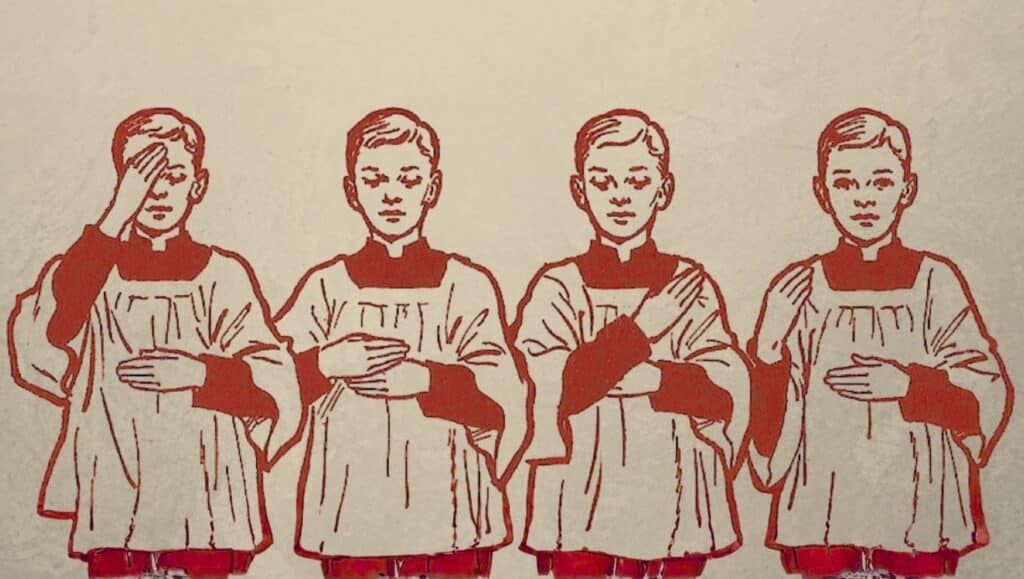
Why do Anglicans make the Sign of the Cross? When do they do it? How do they do it? I…
You walk into an Anglican church and see many people wearing a wide array of odd clothing. You notice ministers…
Anglicans kneel a lot: in prayer, in confession, and at Communion. We often surprise visitors from other traditions with our…
Each Sunday, in churches across the Anglican tradition, the faithful come forward to receive a piece of bread and a…
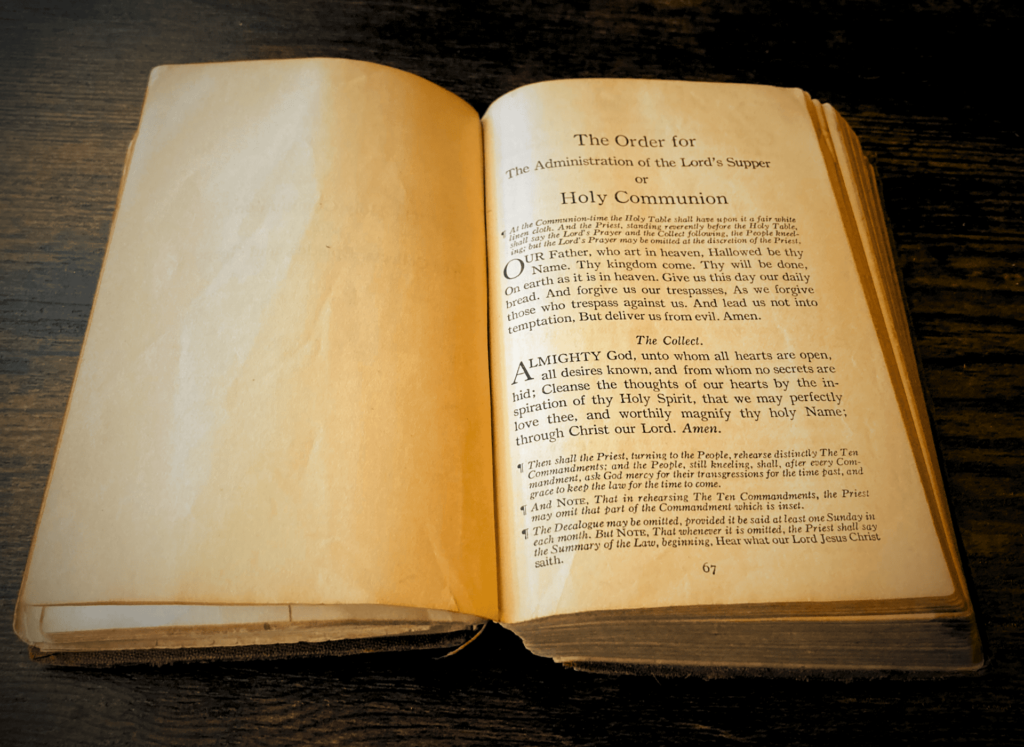
The Collect for Purity is one of the gems of Anglican liturgy. It is a prayer both appealing at first…
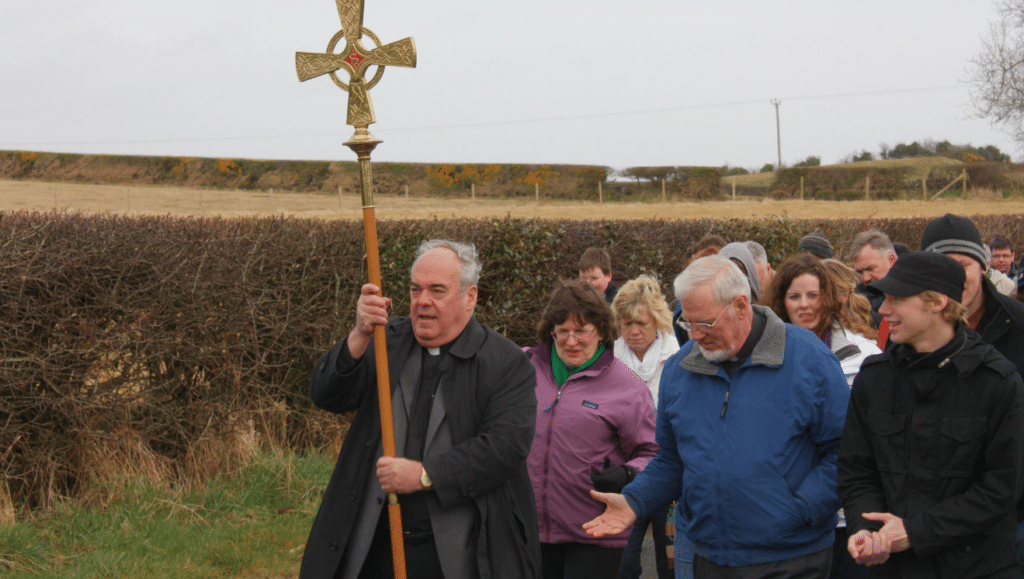
We are used to community parades, graduation processions, and wedding processions. Not everyone is used to a procession in worship…
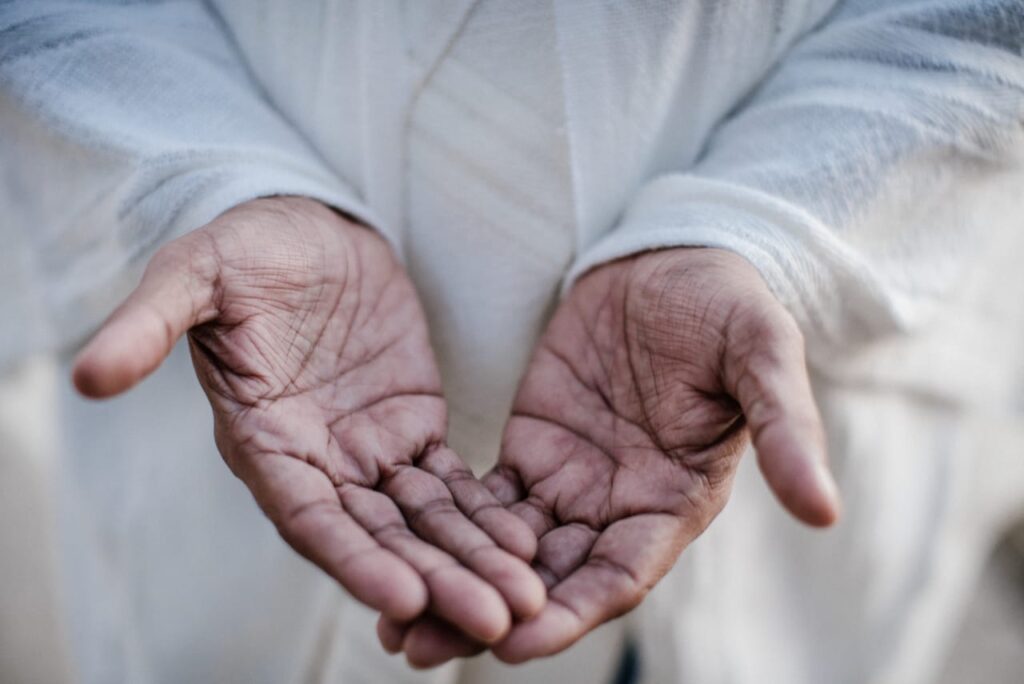
My last post discussed receiving communion by faith, and was more about our understanding of the spiritual aspects of communion.…
The first time I visited an Anglican church, I was afraid to go forward for communion for two reasons. If…
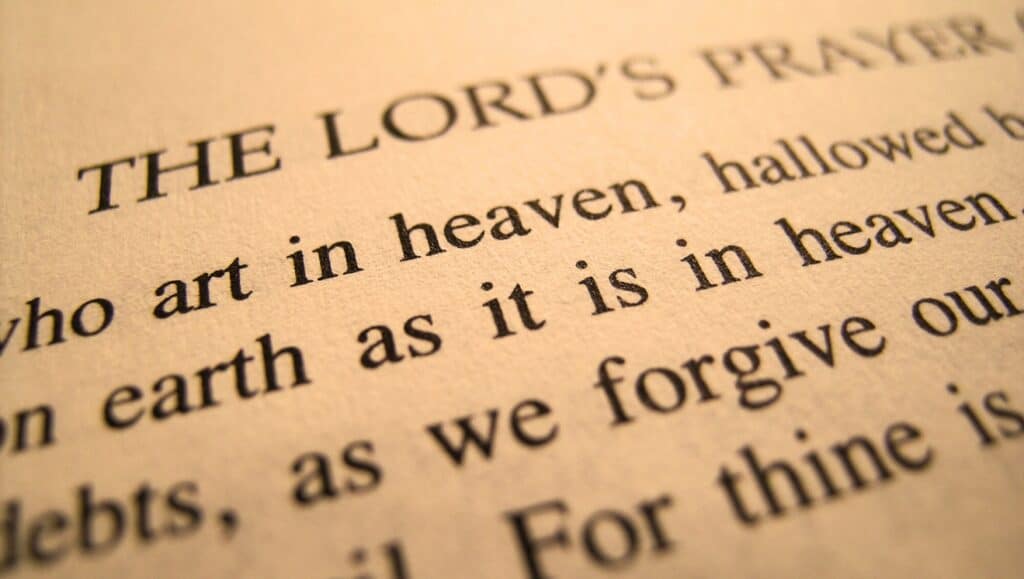
The Lord’s Prayer is one of the most well-known features of Christian worship. Many Christian denominations, even ones that don’t…
Anglicans, along with Christians of many other traditions, organize their year not by the secular calendar but by the Church Calendar. Over the centuries, the Church has sought to proclaim God's message through its cycles of fasts and feasts, just as the ancient Hebrews did before us. Through these, we preach the gospel to ourselves and others by commemorating moments in Christ's life, significant doctrines, and faithful saints and martyrs from church history. We have an assigned color for each season and commemoration, so you will see green, purple, white, and red (and occasionally others) at various points in the year.
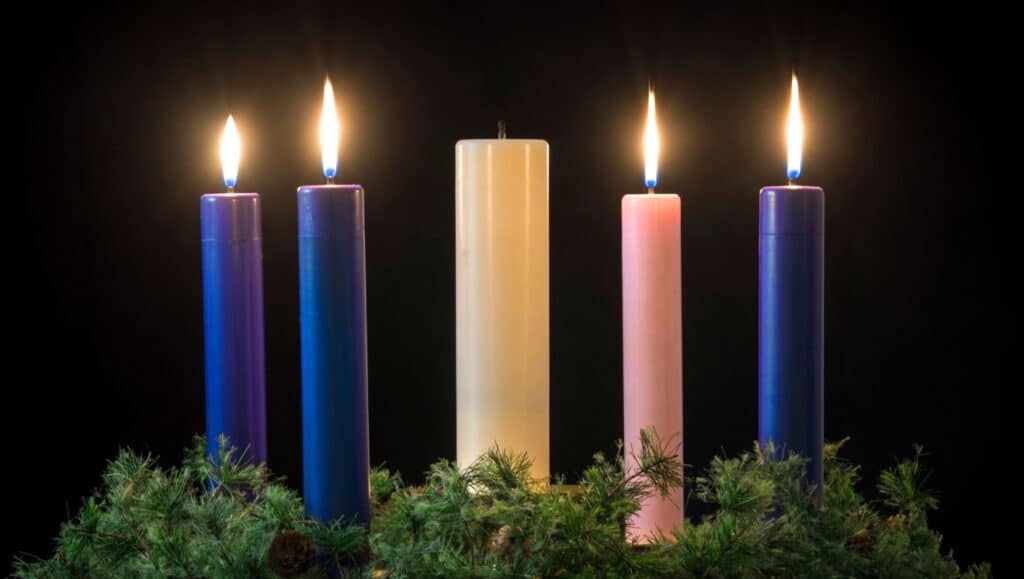
Advent is the first season of the Church year. It lasts for four weeks leading up to Christmas Day on…

Sure, you’ve heard the song, but did you know that the “12 days of Christmas” actually start on Christmas Day…
What time is it? At first glance, it might not seem like it, but this is one of the most…
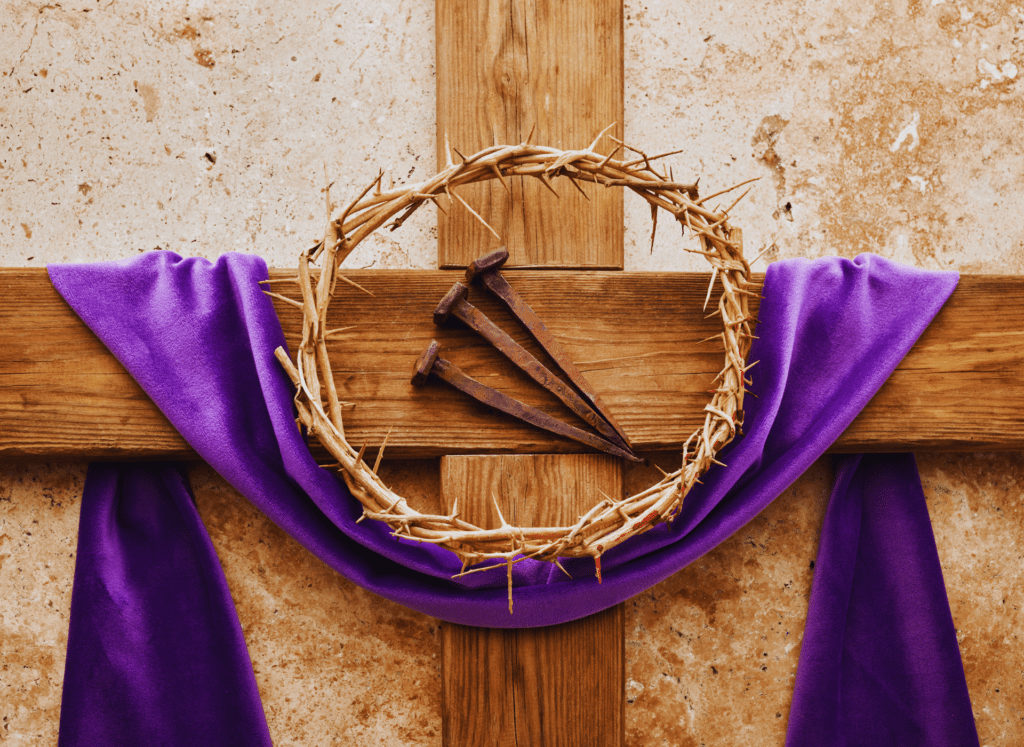
Beginning on Ash Wednesday and lasting for 40 days, Lent is a season of fasting and penitence in preparation for…
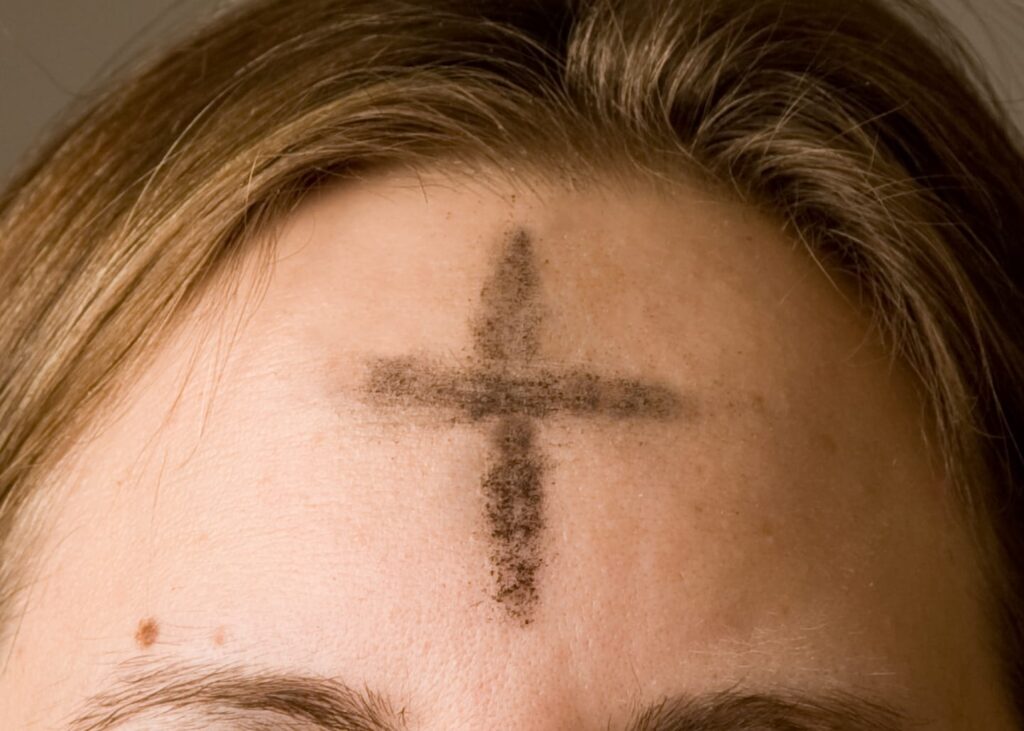
Ash Wednesday initiates Lent, a period of reflection, repentance, and preparation for Easter, rooted in Jesus’ wilderness experience. Observers receive…
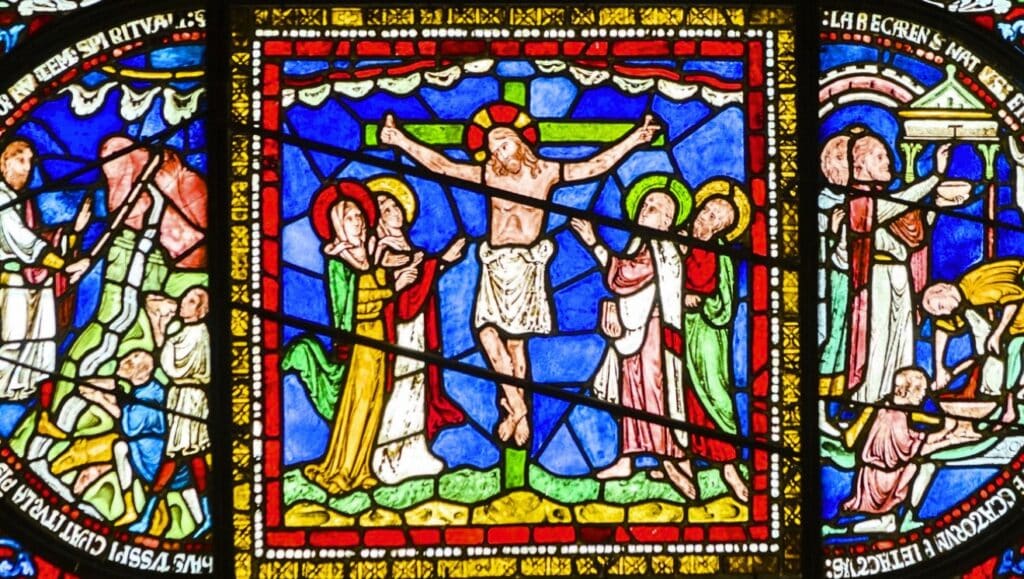
Starting on Palm Sunday, Holy Week begins. As I put it in my overview of the Church calendar and the…
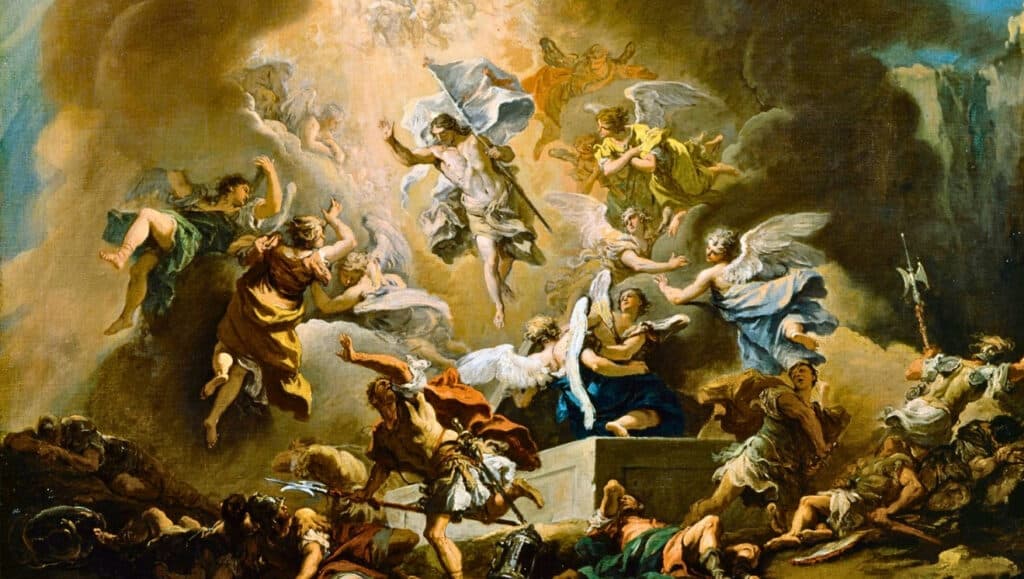
Easter Sunday is only the beginning! A great fifty-day feast (known as “Eastertide,” “Easter Season,” or “Easter Time,” as well…
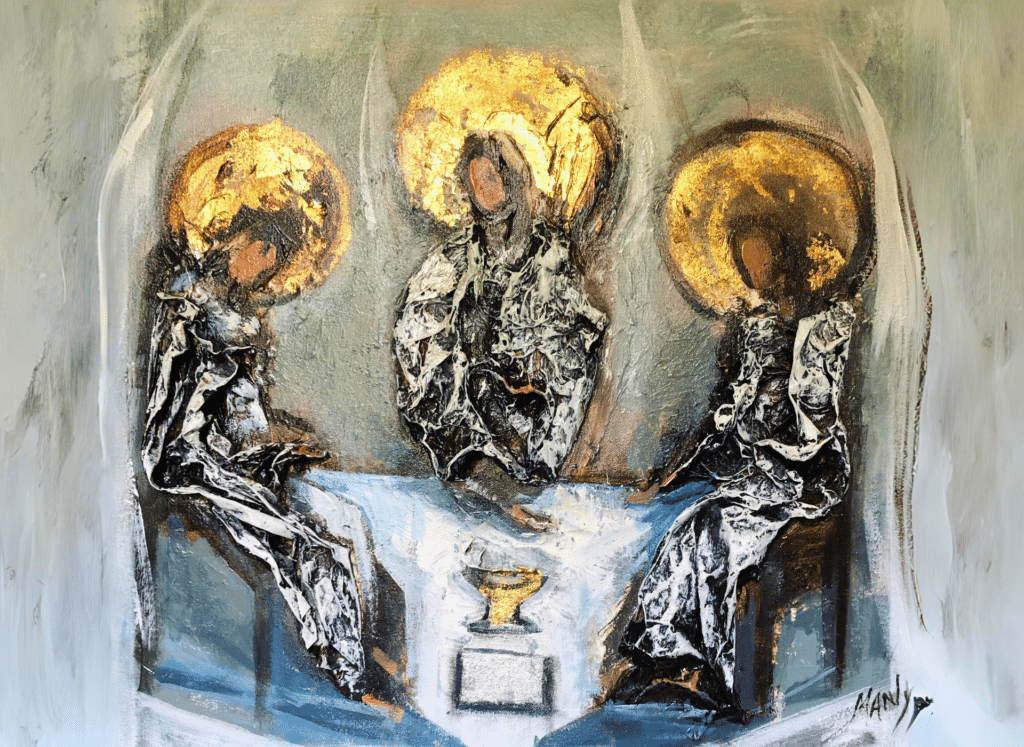
Trinity Sunday commemorates the Christian doctrine of God: the Father, the Son, and the Holy Spirit—three persons in one substance,…

Welcome to Ordinary Time! Now, if you’re like me, you might hear “Ordinary Time” as “boring time,” but that’s not…
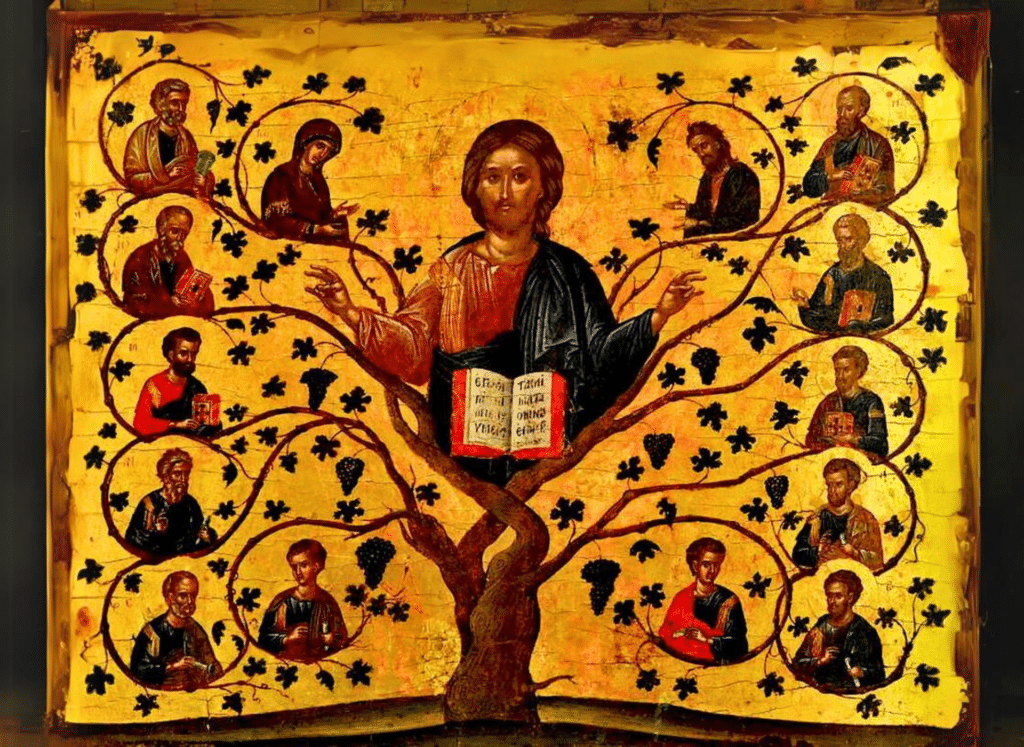
Rogation Sunday and the three subsequent Rogation Days commemorate Jesus’ final days on earth before his Ascension. Accordingly, these days…
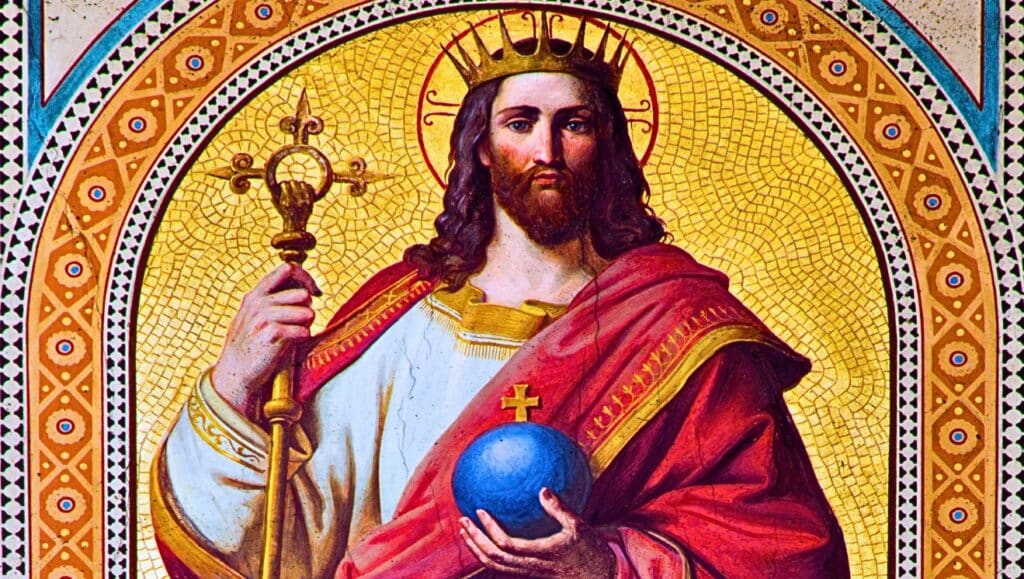
The final Sunday of the church year is the Feast of Christ the King. Pope Pius XI established the feast…
Anglicans have long valued art and beauty as reflective of our creative impulse from our creation in the Image of God. The full-bodied worship and intentional beauty of our worship spaces, liturgy, and music that resulted were essential in pointing to the transcendent truths of God.
This intentionality has led many great writers such as Jane Austen and C.S. Lewis, poet-priests such as John Donne and George Herbert, hymnists such as John Newton and Charles Wesley, and composers such as George Frederich Handel to flourish within the Anglican tradition.
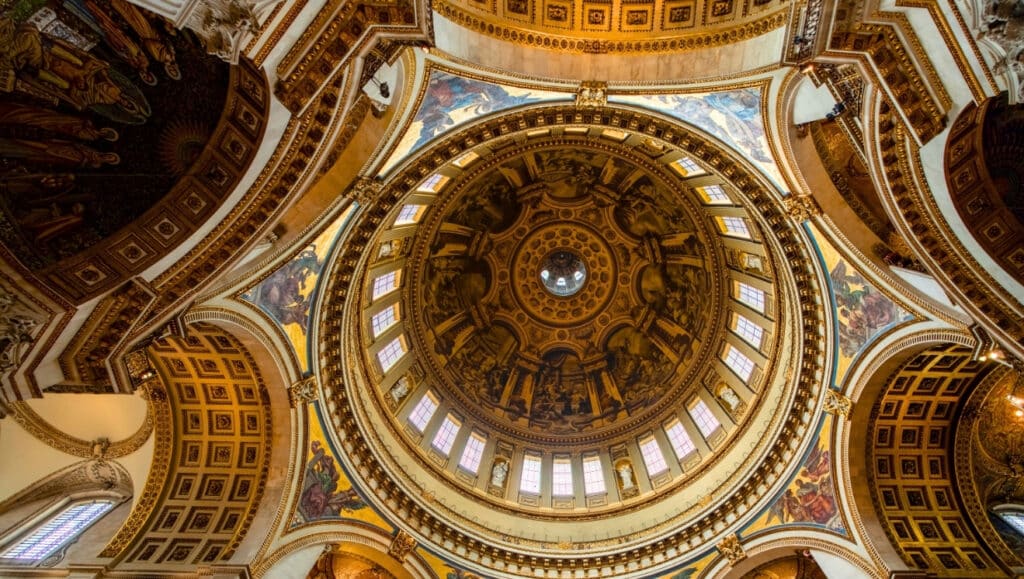
The church’s rich artistic heritage is worth reclaiming. In doing so, we can rethink the vital relationship between Christianity and…
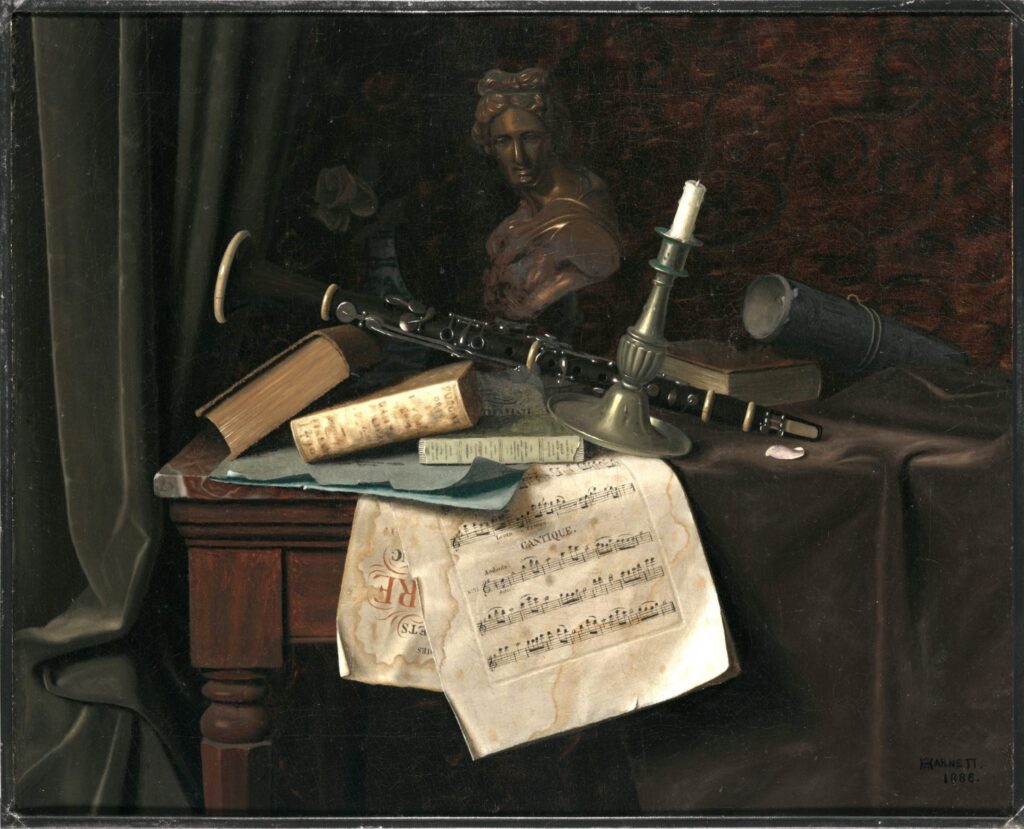
Our very form of worship—in which we draw near to the heart of the Creator God—requires the creative engagement of…
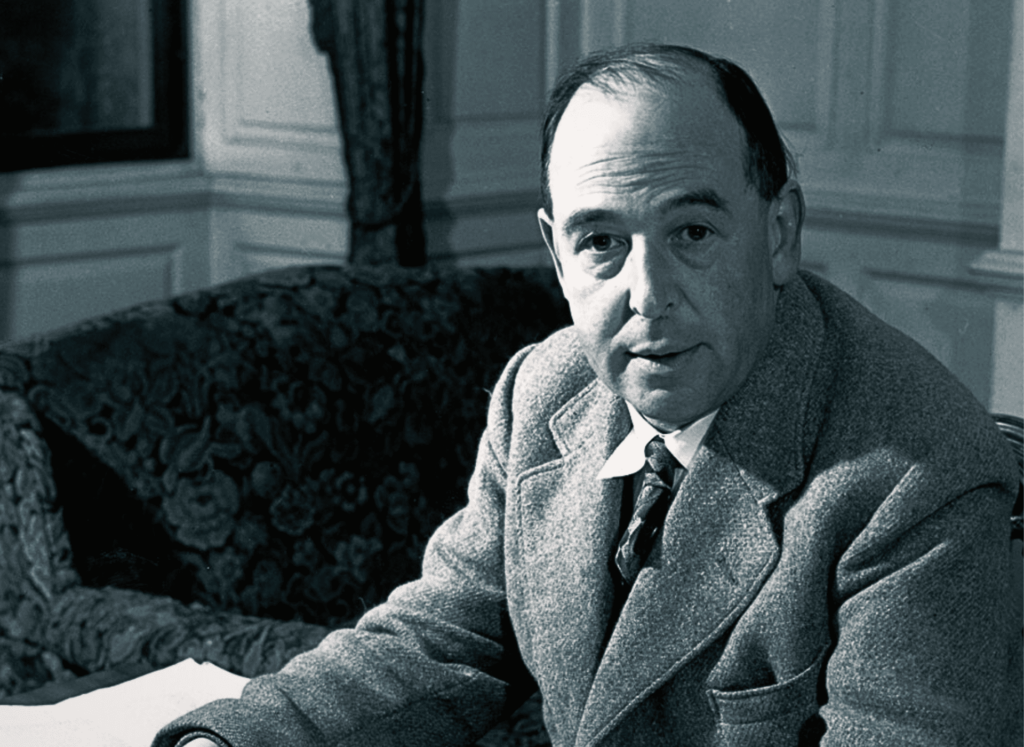
I cannot imagine a more fitting tribute to the work of Jesus in the life of author, professor, and apologist…
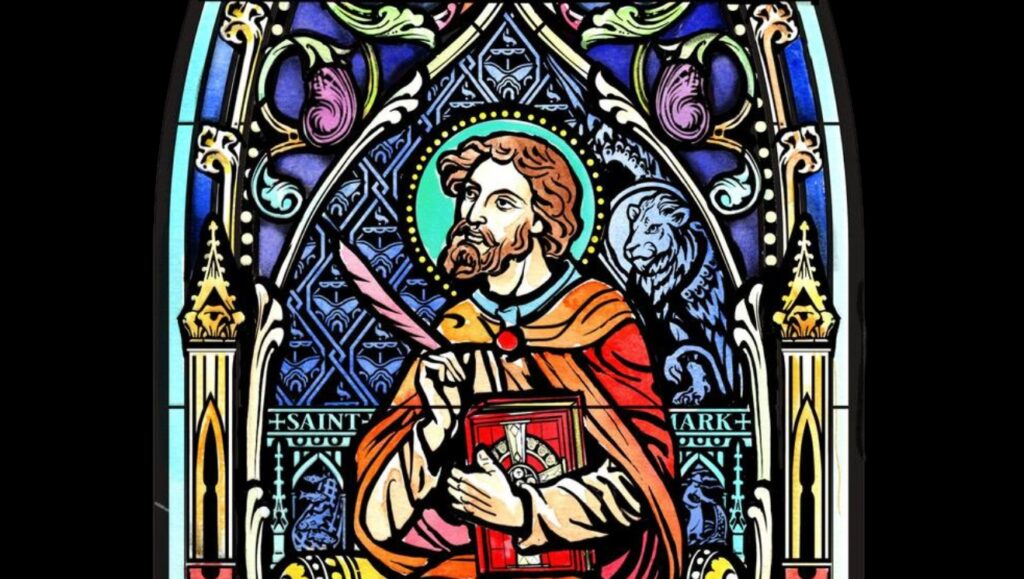
At St. Mark’s Anglican Church in Loomis, CA, a new stained glass panel, still in its design stages, will soon…
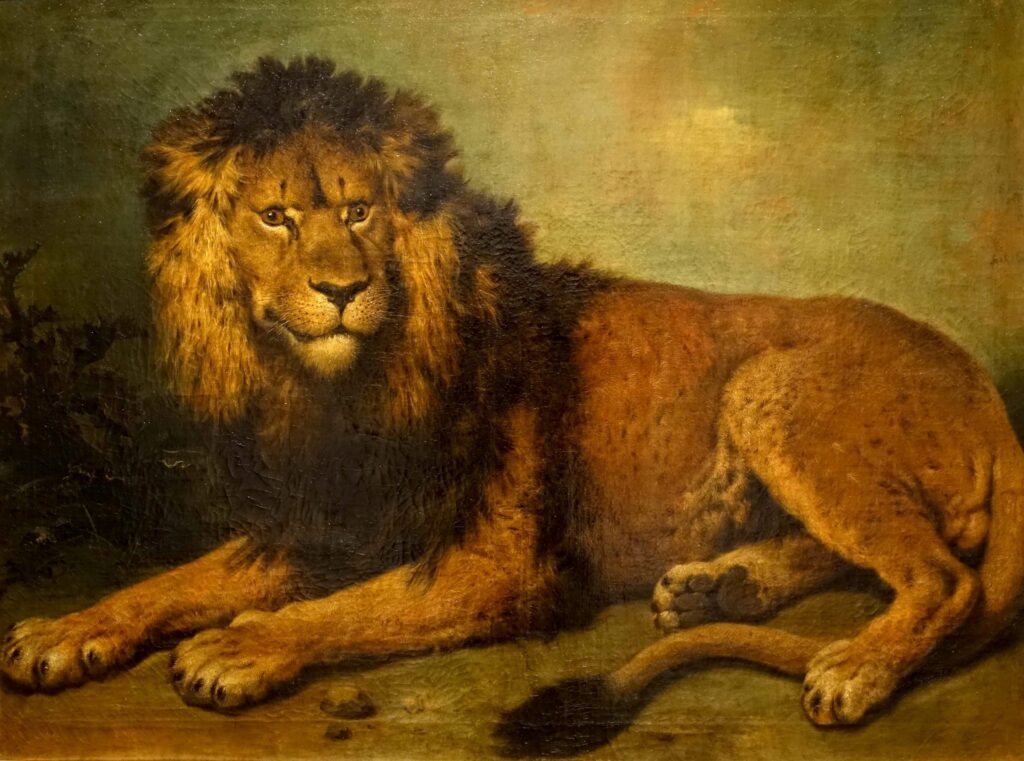
The earliest draft of what would become C.S. Lewis’s classic The Lion, the Witch, and the Wardrobe had no sign…
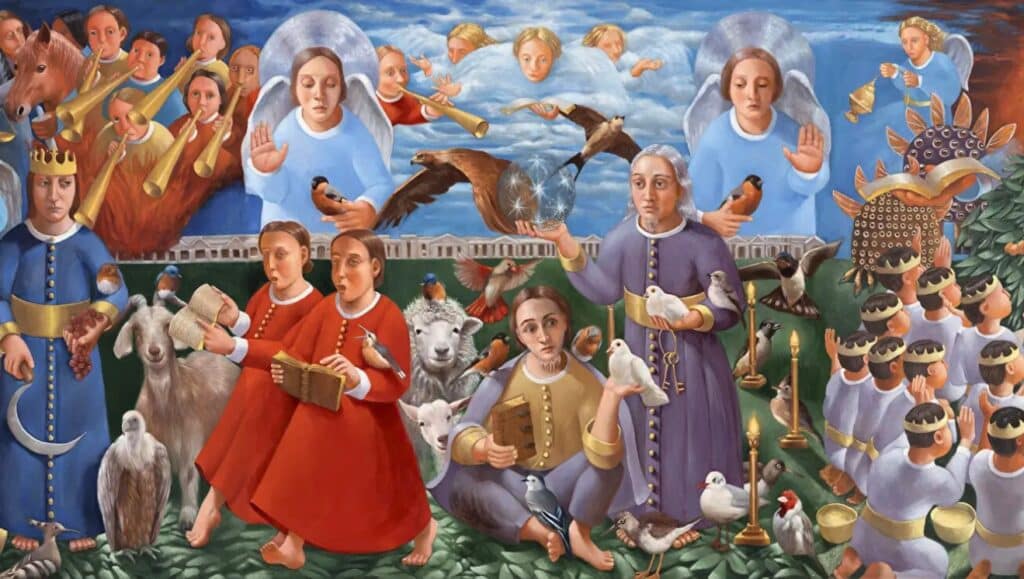
The polar bear was too eye-catching. It drew attention away from the painting’s intended focal point. But Rosemarie Adcock, thanks…
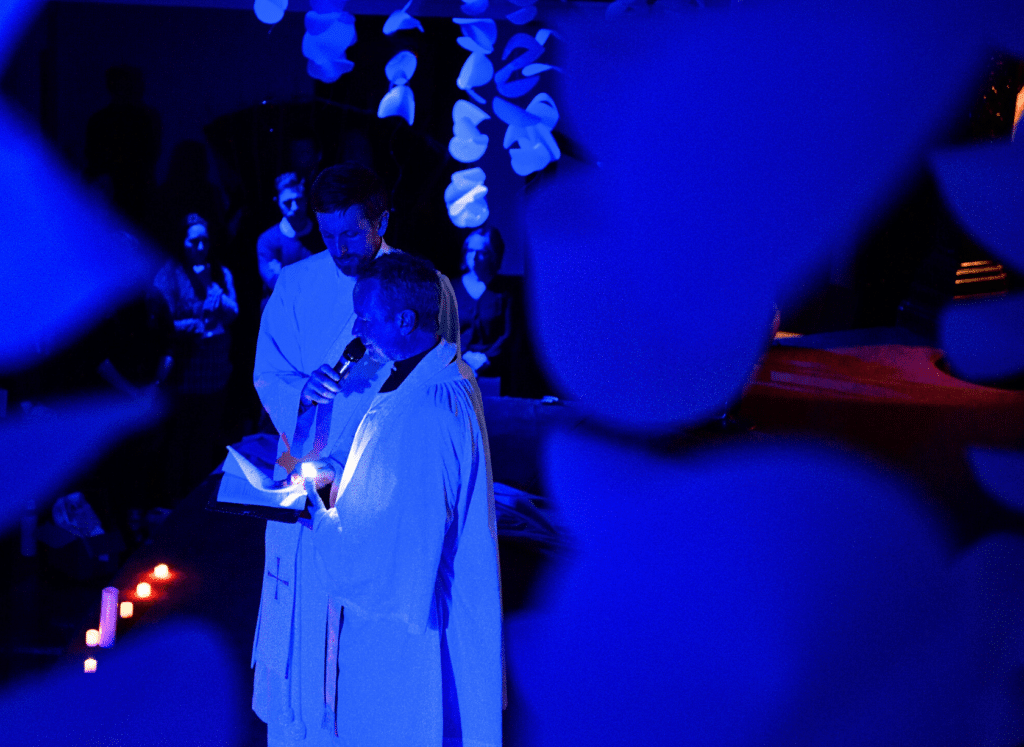
An Ancient Tradition The first Easter Vigil I ever attended was in southern Ukraine, what is now annexed Crimea. I…

Known, Loved, Not Alone At Restoration Anglican Church in Arlington, VA, this distillation of the Gospel—known, loved, not alone—permeates all…

Published as The Abolition of Man, Lewis’s lectures offered a stark warning: Western civilization was abandoning its commitment to objective…
There are many ways to engage in practices deeply tied to the Anglican spiritual tradition. Many of these, like the Daily Office, draw on our Celtic, Benedictine, and Franciscan monastic roots from centuries before the Reformation. Others maintain the Anglican spirit simply through a deep appreciation of prayer and scripture.
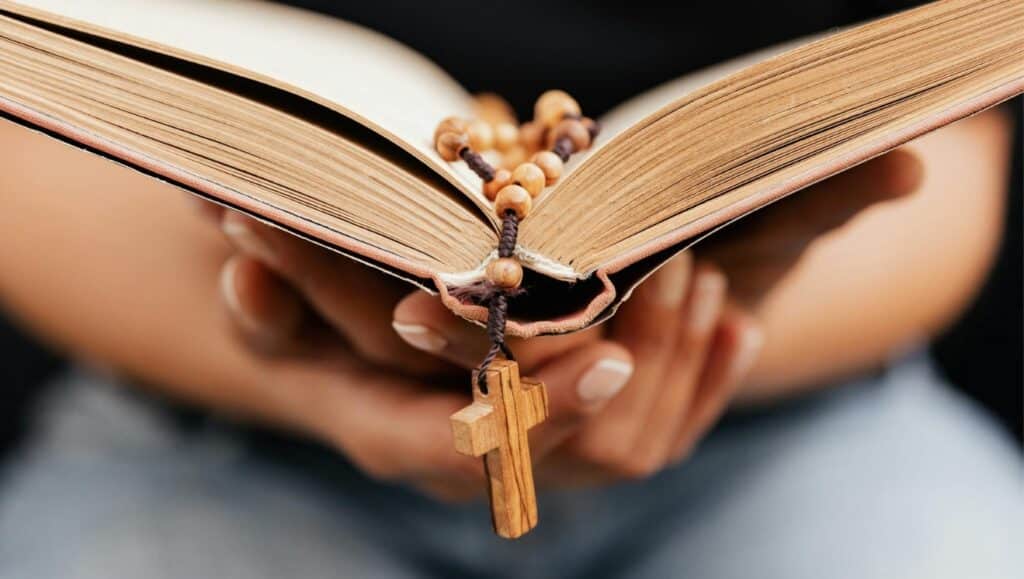
For over a thousand years, people of faith have used various methods to keep track of their prayers. The Rosary…
Since the beginning of the modern era, westerners have typically divided the world into two categories: natural and supernatural. The…

How do we read Scripture? What happens when we sit down with our Bibles and begin to pore over the…

As a priest, people often share stories with me about a loved one, friend, or acquaintance who is behaving in…
Stepping into a rhythm of silence is counterintuitive to everything we practice in our society, but it has many gifts…
The Anglican tradition can easily enrich your home life. Some ways to do this are by drawing on rhythms like the Daily Office, educational tools like the catechism, and fun and creative times like the seasons and feast days of the Church Calendar. These rhythms cannot only enhance your personal walk with Jesus, but they can deeply enrich the lives of every member of your family, from young to old.
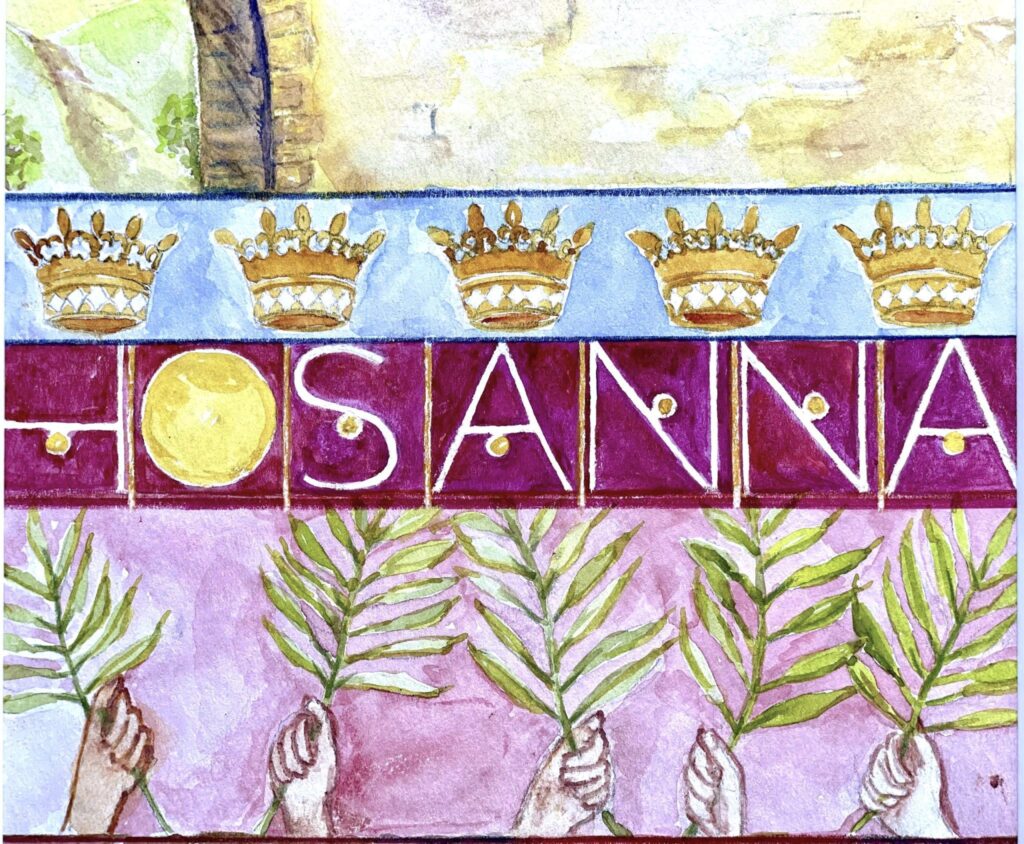
Kids love the Aramaic sayings of Jesus. At first, I was a bit nervous about teaching the topic. Though the…
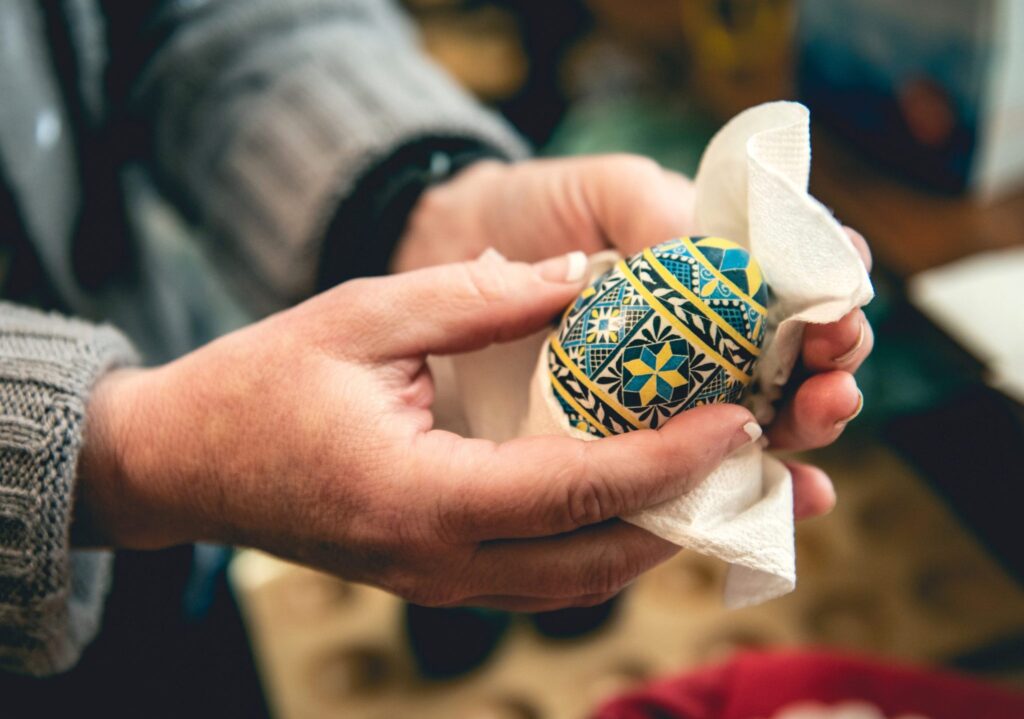
I’d always loved seeing photos of Ukrainian Pysanky eggs. Now, through Ukrainian refugees who found a home at our church,…
The Liturgical Home is an Anglican Compass series of articles and books on serving the Anglican family. It is a…
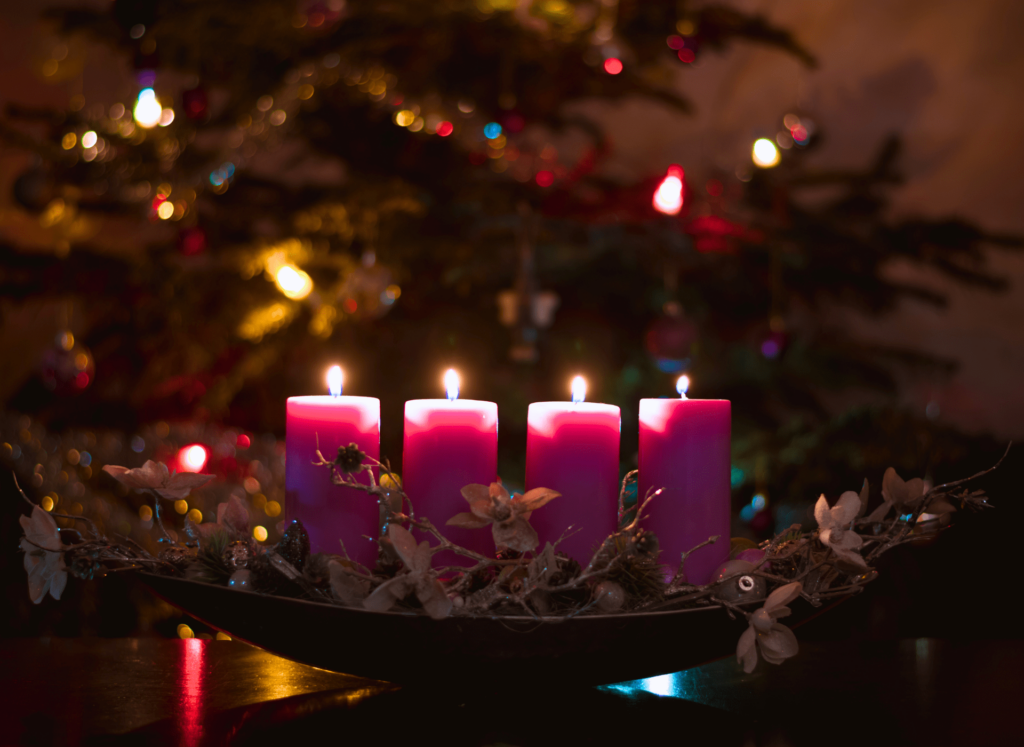
The following is an excerpt from The Liturgical Home: Advent by Ashley Wallace. What is Advent? All of Scripture is…
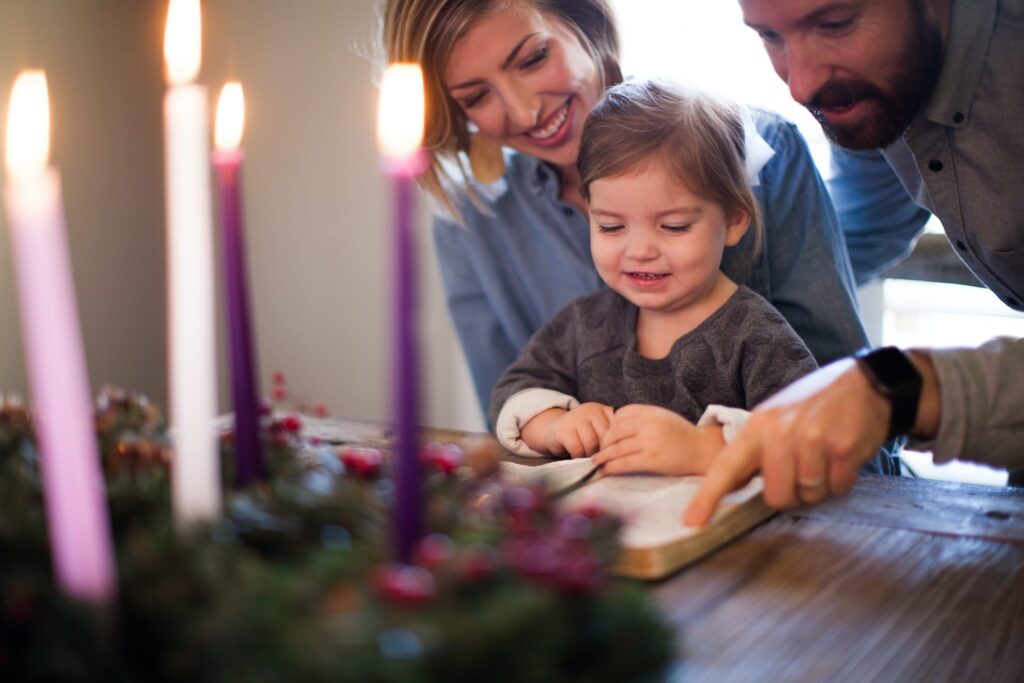
Advent is one of my favorite seasons. As a person who did not grow up celebrating Advent, I have absolutely…
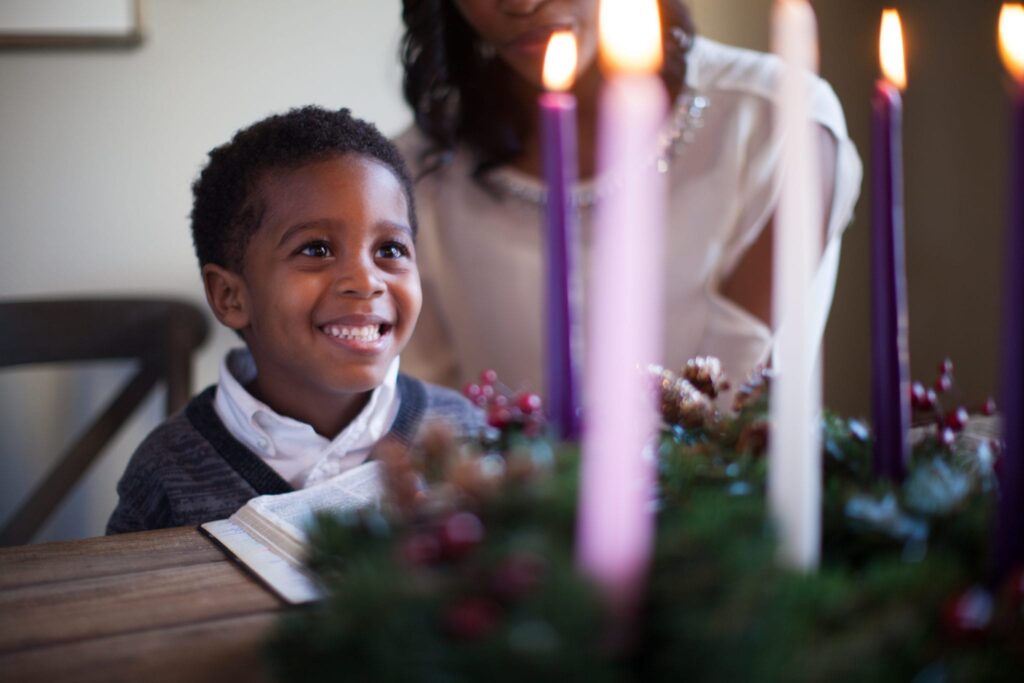
“For everything there is a season” (Ecclesiastes 3:10)—I am sure you know the verse well. We are all familiar with…

I was surprised by Easter! Sure, I knew it was a time of great joy and celebration for Christians around…
With our series on “The Liturgical Home,” we aim to support families in discipleship to Christ through the wisdom of…
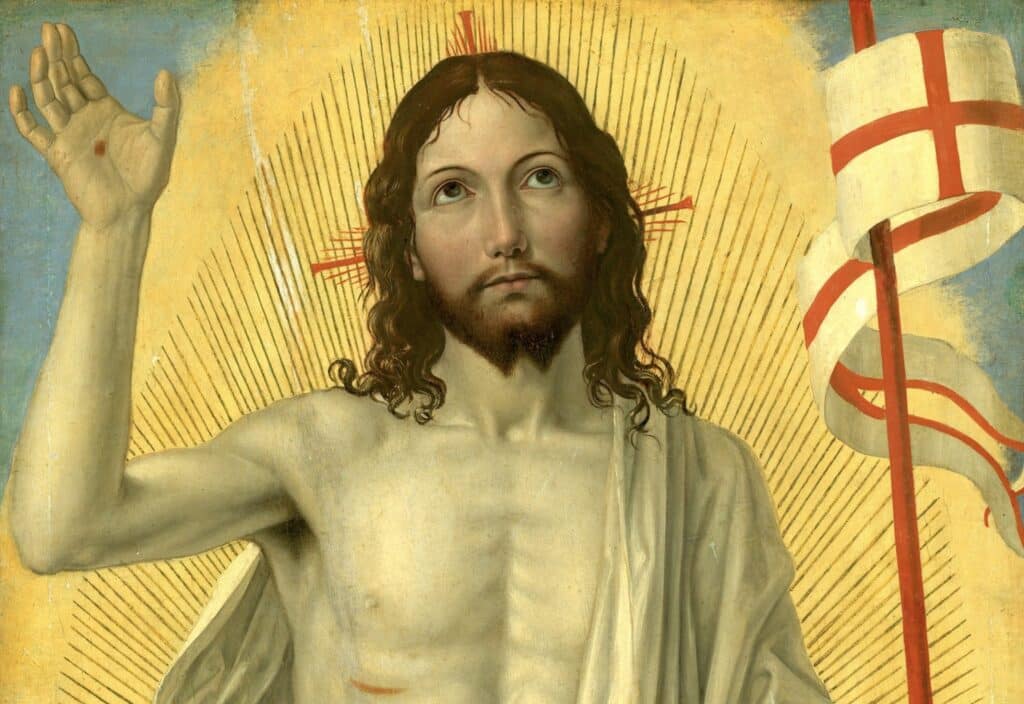
From the first Easter morning to the present day, Christians around the world have hailed each other with the Easter…
For the 400 years after the Reformation, British Anglicans carried their faith worldwide. Anglican churches were established on every continent and in numerous nations, eventually uniting into the Anglican Communion.
In the early 21st Century, Anglican provinces began to realign themselves over concerns about departures from scriptural faithfulness by some Communion provinces. One result of these concerns was the convening of the Global Anglican Future Conference (GAFCON) and the establishment of The Anglican Church in North America. Meanwhile, mission societies continue to carry the faith worldwide, and chaplaincies take it to prisons, hospitals, and the armed forces.
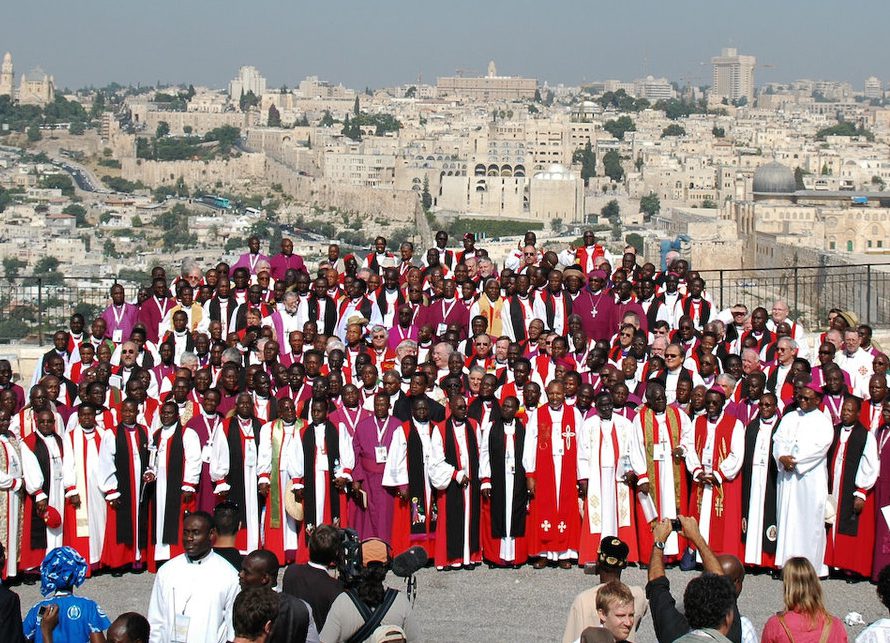
GAFCON is back in the news, with 1300 Anglican leaders gathering in Kigali in April 2023. But what is GAFCON,…
I remember it as clear as yesterday. Ahmet had left Islam and decided to follow Jesus. In the Middle Eastern…
When we observe the world—the sin and disbelief and conflict surrounding the church, together with the sin and disbelief and…

Grant O Lord, that we may be instrumental in commencing this great and blessed work; but should Thou see fit…
NAMS was born in 1993 as the North American Missionary Society. However, it was conceived in 1973. I was walking…
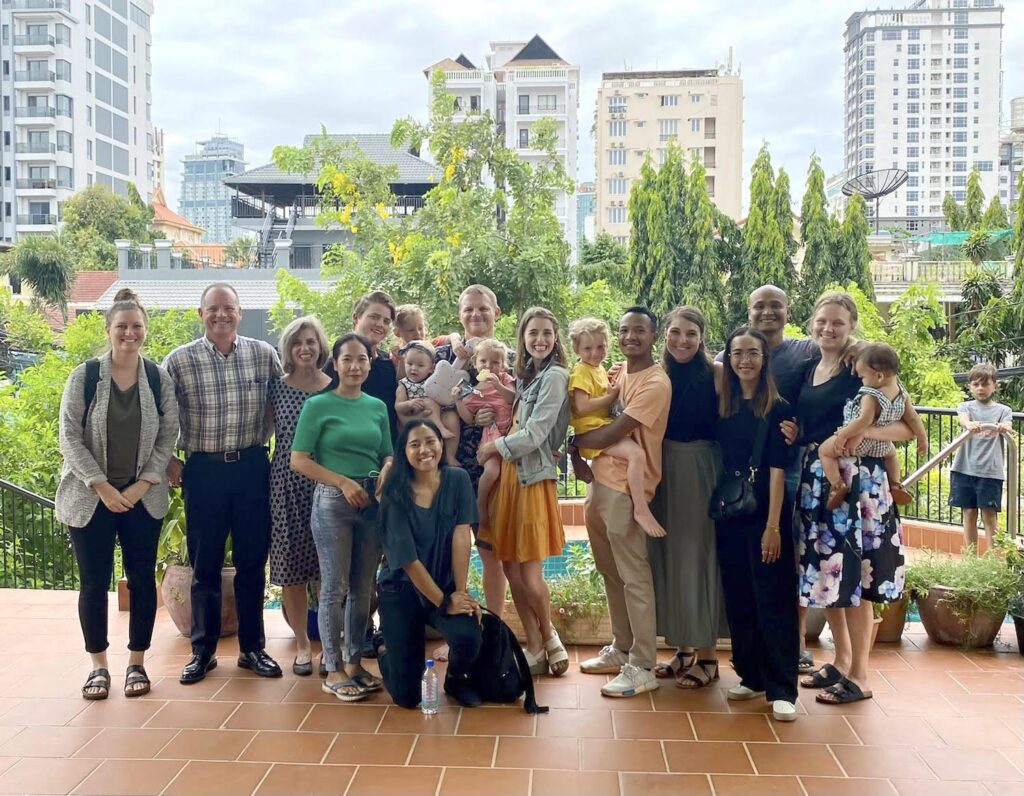
We are the Pellonis, a young family with four daughters, living and serving in Cambodia since 2015. Entirely unexpectedly, by…

“I was in prison, and you visited me.” Those are the words of Jesus to His disciples, to His body,…

As with any other day, I awake before sunrise and take my breakfast amongst my fellows. Today I sat across…
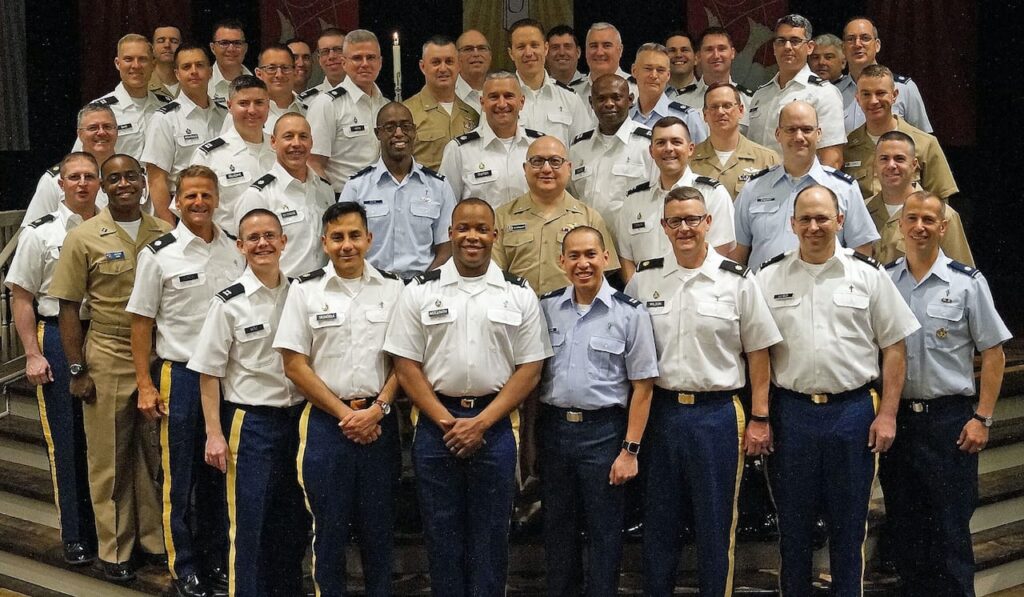
When thinking about Anglican priests serving in the military as chaplains, it’s helpful to take perspective on what a select…